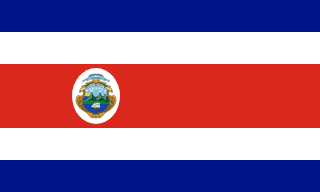
Discover
The identity of the nation
Costa Rica is a small Central American nation of about 5 million people, located between Nicaragua and Panama, bordered by both the Pacific and the Caribbean. Its capital is San José, in the Valle Central, home to much of the population. The country’s name, meaning Rich Coast, recalls the hopes of riches the colonizers brought with them, but Costa Rica’s true wealth turned out to be something else: stability, peace and lush nature.
Few nations have shaped their history so much by the absence of weapons. In 1948, after a brief civil war, Costa Rica abolished its armed forces and redirected those resources to health and education. It became a symbol of stable democracy in the region, and its people coined the phrase pura vida, which sums up a calm, warm and optimistic way of life.
Christian faith is deeply woven into the culture. Costa Rica is the only country in Latin America that keeps Catholicism as the official state religion in its constitution. At the same time, evangelical churches have grown strongly in recent decades and now make up a significant share of the population. Churches, patron saint festivals and the public presence of faith are part of daily life.
Despite this strong Christian identity, real spiritual challenges remain: a blend of popular faith and tradition, growing disengagement from religion among young people in the cities, and peoples who still need the gospel embodied in their own language and culture. Indigenous communities such as the Bribri and the Cabécar hold their own worldviews, and there are Nicaraguan immigrant, Chinese and Afro-Caribbean groups with little living Christian presence.
With its tradition of peace, its vigorous church and its strategic location at the heart of the Americas, Costa Rica is called to be a bridge and a shelter. It is a nation that receives, that welcomes and that can send, carrying hope to peoples still without full access to the gospel within and beyond its borders.
- Before colonization, peoples of Chibchan origin such as the Bribri, Cabécar and Huetar inhabited the territory.
- 1502 Christopher Columbus lands on the Caribbean coast during his fourth voyage; European contact begins.
- 16th century Spanish colonization; a poor region isolated from the Crown, with little indigenous labor available.
- 1821 Independence from Spain together with Central America, on September 15.
- 1824 Nicoya decides to join Costa Rica voluntarily.
- 1838 Withdrawal from the Federal Republic of Central America; a path toward full sovereignty.
- 1848 Proclamation of the Republic of Costa Rica.
- 1948 Civil war; at the end of the conflict, the country abolishes its armed forces.
- 1949 The abolition of the army is written into the new Constitution.
- 1987 President Óscar Arias receives the Nobel Peace Prize for a Central American peace plan.
- Today A stable, majority-Christian democracy, with a growing church and peoples still to be reached.
-
Spanishofficial, spoken by nearly the entire population
-
Limonese Creole EnglishEnglish-based creole spoken on the Caribbean coast, in Limón
-
Bribri and CabécarChibchan indigenous languages, still spoken in territories in the south
-
Maleku and Ngäbereindigenous languages spoken by small communities
Costa Rica is a narrow isthmus between the Pacific Ocean and the Caribbean Sea, crossed by volcanic mountain ranges. Within a small territory it holds beaches, tropical forests, active volcanoes and the cool Valle Central, home to the capital. It is one of the most biodiverse countries on the planet, with vast areas under protection.
Major cities
- San JoséCapital and economic center, in the Valle Central
- AlajuelaSecond largest city, near the main airport
- CartagoFormer colonial capital, home to the Basilica of Los Ángeles
- LimónMain Caribbean port, heart of Afro-Costa Rican culture
- LiberiaGateway to Guanacaste and its Pacific beaches
Climate and temperature
Gallo pinto
A mix of rice and beans sautéed with cilantro and bell pepper, the national breakfast.
Casado
A lunch plate with rice, beans, salad, plantain and meat, complete and balanced.
Olla de carne
A hearty beef broth with cassava, potato, chayote and vegetables, a family meal.
Chifrijo
A snack of crispy pork (chicharrón) over beans, rice and pico de gallo.
Rondón
A fish and seafood stew in coconut milk, typical of the Caribbean coast.
Tres leches
A moist cake soaked in three kinds of milk, a much loved dessert.
Coffee
Grown in the mountains and brewed in the traditional chorreador, part of everyday life.
Understand
Culture and spirituality
2a · The culture
Pura vida
A greeting and philosophy of life that celebrates simplicity, gratitude and calm.
A nation without an army
Pride in being a country of peace that invests in education and health instead of weapons.
Warmth and calm
Costa Ricans avoid direct conflict and value gentle manners and good relationships.
Attachment to family
Strong family ties; meals and Sundays bring generations together.
Love of nature
Strong environmental awareness; parks and biodiversity are a source of national pride.
Faith present
Patron saint festivals, pilgrimages and the Basilica of Los Ángeles mark the calendar and shape identity.
- Being rushed or curt The culture values calm, warmth and the pura vida way.
- Confronting people directly Open conflict is avoided; blunt criticism comes across as aggressive.
- Treating faith lightly Religion is taken seriously in public and family life.
- Generalizing about Nicaragua There are sensitivities around immigration and national identity.
- Disregarding nature Disrespecting the environment offends a value dear to the people.
2b · The field
Areas of spiritual battle and cultural captivity to cover in prayer. Tap each point to understand:
Christian faith mixes with traditions and folk beliefs, diluting the gospel as it is lived out.
Many call themselves Christian out of cultural heritage, without personal surrender to Christ.
Young people in the cities drift from the faith, drawn by attachment to material goods and by indifference.
Comfort and well-being can take the place reserved for God.
Tensions and rigidity between churches can wound the witness of unity.
The Bribri, the Cabécar and others hold their own worldviews, with little of the gospel embodied among them.
Nicaraguan, Chinese and Afro-Caribbean communities still have a fragile Christian presence.
The pursuit of a tranquil life can cool missionary zeal and compassion.
Drug-related violence has eroded the country's historic peace.
The image of paradise can breed spiritual complacency and self-sufficiency.
Costa Rica is one of the freest countries in the Americas for the practice of faith. Religious freedom is guaranteed by law and respected in practice, and Christians can gather, evangelize and grow without hostility from the state or society. The country coexists peacefully with religious pluralism.
For this reason the risk of persecution is low. The challenges facing the church come not from violence or repression but from internal and cultural issues: merely nominal religiosity, growing spiritual indifference among young people, and the need for a living, discipled faith. The greater battle is one of the heart, not of freedom.
The persecution score runs from 0 to 100: the higher it is, the greater the pressure on Christians.
The great majority of Costa Rica's population has access to the gospel, and the church, Catholic and evangelical, is vigorous. The challenges are concentrated in a few groups: Chibchan indigenous communities such as the Bribri and the Cabécar, who hold their own worldviews, and immigrant populations, such as the Chinese and part of the Nicaraguan and Afro-Caribbean communities, whose Christian presence is still fragile. They are few peoples, but they need a faith embodied in their own language and culture.
- 18K Unreached 0,3%
- 39K Minimally reached 0,8%
- 11K Superficially reached 0,2%
- 418K Partially reached 8,2%
- 4.6M Significantly reached 90,5%
- 2 Unreached 10,5%
- 1 Minimally reached 5,3%
- 2 Superficially reached 10,5%
- 7 Partially reached 36,8%
- 7 Significantly reached 36,8%
Source of people group data: Joshua Project (joshuaproject.net). Estimates, may vary.
Judeus de fala espanhola
Deaf Frontier
Chineses
Source: Joshua Project. Estimates, may vary.
Pray
Intercede for this nation
Every nation carries a redemptive purpose. Marks that seem woven into the identity God desires to restore:
Go
Practical details for those who want to go
Local time
Cost of living
higher than the Central American average
Cost by city
Reference values (source: Numbeo). Confirm before traveling.
Practical points for those who go
- Learn Spanish: English is spoken in tourist areas, but Spanish opens every door.
- Use the phrase pura vida: it works as a greeting, a thank you and a cultural calling card.
- Watch out for theft in San José and tourist spots; the country is safe, but urban crime is rising.
- Respect nature and the parks: environmental awareness is taken very seriously.
- The rainy season (May to November) affects roads and trails; plan your travel accordingly.
Send and sustain
Not everyone goes, everyone takes part
Not everyone goes. Everyone takes part.
Behind every worker among these peoples stands a network of people who pray without ceasing, care for the family left behind, and faithfully sustain the work. Sending is mission too.
Start with your church: introduce this nation, adopt it in ongoing prayer, and walk alongside those God is raising up to go.