Discover
The identity of the nation
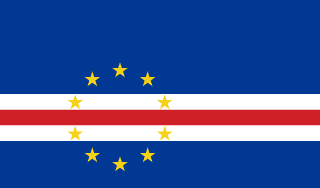
Cape Verde is an archipelago of ten volcanic islands in the Atlantic, about 450 km off the west coast of Africa. Before the Portuguese arrived in the 15th century, the islands were uninhabited: the nation that exists today was born from an often painful encounter between European settlers and enslaved Africans, and this mixture gave rise to a Creole people with a distinct identity, language, music and way of life.
It is a majority Christian nation. Catholicism, brought by the colonizers and rooted since the founding of Cidade Velha in 1462, shapes the calendar, festivals and culture. Protestant communities, notably the Church of the Nazarene and Adventists, join more recent Pentecostal groups. Cape Verdean faith, however, coexists with practices that blend religions inherited from African spiritual traditions, in which Christian elements mix with ancient beliefs and rituals.
Morabeza, the warm hospitality of Cape Verdeans, and sodade, the longing sung in morna, reveal a people marked by emigration: there are more Cape Verdeans scattered around the world than on the islands themselves. Droughts, water scarcity and dependence on imports have shaped a history of departures and resilience, but also of a strong sense of community.
Stable and democratic since the political opening of the 1990s, it is one of Africa’s best rated nations in governance, freedom and rights. Religious freedom is broad, and Christians live their faith without persecution, which makes the country open to the gospel and a potential base of support for Lusophone West Africa.
The challenge is not access but depth: bringing a faith that is only nominal and cultural into a living encounter with Christ, reaching pockets of religious blending and small groups that are still little evangelized, such as communities of Muslim origin from the mainland, and strengthening a church that makes disciples and blesses the nations.
- Until the 15th century the archipelago was uninhabited.
- 1462 Settlement begins on the island of Santiago; Cidade Velha (Ribeira Grande) becomes the first European city in the tropics.
- 16th-17th century Strategic position makes the islands a hub of the transatlantic slave trade.
- 19th century End of the slave trade, droughts and crises lead to economic decline and large waves of emigration.
- 1956 Amílcar Cabral founds the PAIGC, which leads the struggle against colonialism.
- 1975 Independence from Portugal proclaimed on July 5; Aristides Pereira becomes the first president.
- 1991 First multiparty elections consolidate democracy.
- Today A majority Christian, democratic and stable nation, marked by emigration and a rich Creole culture.
-
Portugueseofficial language, used in government, schools and the press
-
Cape Verdean Creolemother tongue spoken by nearly the entire population day to day
-
African languagespresent in small immigrant communities from the mainland
Cape Verde is an archipelago of ten islands and a few islets of volcanic origin, located in the Atlantic about 450 km off the coast of Senegal. The islands are divided into two groups: Barlavento, to the north (Santo Antão, São Vicente, Santa Luzia, São Nicolau, Sal and Boa Vista), and Sotavento, to the south (Maio, Santiago, Fogo and Brava). The terrain ranges from arid plains and white sand beaches to rugged mountains and the active volcano of Pico do Fogo.
Major cities
- PraiaCapital, on the island of Santiago; political and economic center
- MindeloOn the island of São Vicente; cultural capital and port, birthplace of morna
- EspargosOn the island of Sal; administrative center and main air gateway to the country
- AssomadaInland Santiago; important agricultural and market town
- São FilipeOn the island of Fogo; historic town at the foot of the volcano
Climate and temperature
Cachupa
National dish: a stew of corn, beans, vegetables and meat or fish, a symbol of Cape Verdean identity.
Cachupa guisada
Pan fried version of cachupa, served at breakfast with a fried egg and sausage.
Xerém
Coarsely ground corn porridge, a traditional side dish on the islands.
Lobster and shellfish
Abundant seafood, such as limpets, sea snails and barnacles, served grilled or stewed.
Grilled tuna
Fresh tuna belly, a fish that marks the archipelago's coastal cuisine.
Grogue
Sugarcane rum, an emblematic drink, the base of ponche with honey and lime.
Understand
Culture and spirituality
2a · The culture
Morabeza
Warm, welcoming hospitality is a hallmark of the Cape Verdean character.
Sodade and morna
Longing, especially for the homeland and those who left, is sung in morna, the country's musical soul.
Creole identity
Language, music and cuisine arise from the fusion of African and Portuguese roots.
Culture of emigration
The diaspora is as large as the local population and keeps strong ties to the islands.
Community life
Neighborliness, extended family and shared faith structure daily life.
Music as expression
Besides morna, rhythms such as coladeira, funaná and batuque enliven festivals and celebrations.
- Confusing Creole with broken Portuguese Cape Verdean Creole is its own language and a source of pride.
- Dismissing morna or sodade They run deep in the people's identity and history of departures.
- Ignoring human warmth Coldness or haste clash with the morabeza valued locally.
- Generalizing it as just a beach destination It is a nation with its own history, culture and challenges, not only a tourist getaway.
- Despising cultural faith Religiosity, even nominal, is taken seriously and deserves respect.
2b · The field
Areas of spiritual battle and cultural captivity to cover in prayer. Tap each point to understand:
African spiritual practices mix with the Christian faith, diluting the gospel.
Many call themselves Christian by culture, without a personal, transforming encounter with Christ.
The archipelago was a hub of the slave trade, a mark that still hurts in memory.
Mass departure separates families and leaves homes without a father's or mother's presence.
Droughts, water scarcity and dependence on imports create insecurity.
A history of hardship feeds a resignation that needs to give way to hope.
Excessive consumption of drinks such as grogue affects families and communities.
Lack of opportunity exposes young people to discouragement and early emigration.
The church needs to grow in depth, teaching and maturity.
Tourism and the diaspora bring values that challenge faith and community.
Cape Verde is one of the freest countries in Africa in religious terms. The Constitution guarantees freedom of belief and worship, and the state is secular and respectful toward the various faith communities. Christians, the majority of the population, live and practice their faith without restrictions, and Catholics, Protestants and Pentecostals coexist peacefully alongside small Muslim and Baha’i minorities.
There is no organized persecution or significant discrimination on religious grounds. The low level of pressure recorded reflects an open and tolerant environment. The church’s challenge, therefore, is not external hostility but internal and spiritual: overcoming merely nominal faith, religious blending and superficiality, and leading the people into a deep and mature experience of the gospel.
The persecution score runs from 0 to 100: the higher it is, the greater the pressure on Christians.
Cape Verde is a small and fairly homogeneous nation: the Cape Verdean Creole people form the overwhelming majority, with about 84% of the population professing Christianity, though only a fraction live out a mature evangelical faith. Alongside them are small communities of immigrants from West Africa, such as Fulani and Balanta groups, among which are the few peoples still considered less reached. The great field is not lack of access but nominal faith and syncretism, which call for deep evangelization and discipleship.
- 67K Unreached 13,1%
- 0 Minimally reached 0%
- 10K Superficially reached 1,9%
- 50K Partially reached 9,8%
- 383K Significantly reached 75,1%
- 2 Unreached 40%
- 0 Minimally reached 0%
- 1 Superficially reached 20%
- 1 Partially reached 20%
- 1 Significantly reached 20%
Source of people group data: Joshua Project (joshuaproject.net). Estimates, may vary.
Fulani Adamawa Frontier
Deaf Frontier
Source: Joshua Project. Estimates, may vary.
Pray
Intercede for this nation
Every nation carries a redemptive purpose. Marks that seem woven into the identity God desires to restore:
Go
Practical details for those who want to go
Local time
Cost of living
driven up by dependence on imports
Cost by city
Reference values (source: Numbeo). Confirm before traveling.
Practical points for those who go
- Learn the basics of Creole: Portuguese is official, but Creole is the everyday language and opens doors.
- Bring local cash (escudo): cards are not always accepted outside the main centers.
- Save water: it is a scarce resource on the islands and requires mindful use.
- Prepare for inter-island travel: flights and boats require planning and time.
- Value morabeza: patience, warmth and relationship matter more than haste.
Send and sustain
Not everyone goes, everyone takes part
Not everyone goes. Everyone takes part.
Behind every worker among these peoples stands a network of people who pray without ceasing, care for the family left behind, and faithfully sustain the work. Sending is mission too.
Start with your church: introduce this nation, adopt it in ongoing prayer, and walk alongside those God is raising up to go.