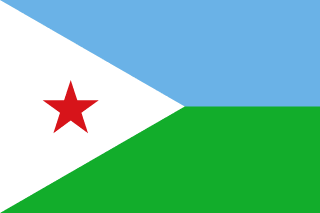
Discover
The identity of the nation
Small but strategically located in the Horn of Africa, Djibouti guards the entrance to the Bab-el-Mandeb Strait, the maritime corridor linking the Red Sea to the Gulf of Aden. A large share of world trade passes through it, and this privileged location has turned the country into a crossroads of peoples, languages, and international interests. With just over 1.1 million inhabitants, the nation concentrates much of its population in the capital, also called Djibouti.
Society is made up mainly of two large groups: the Somalis, especially the Issa clan, and the Afar. Both are historically nomadic, pastoral peoples with a rich oral culture, marked by poetry, hospitality, and strong clan ties. Sunni Islam has shaped daily life for centuries: faith is intertwined with family identity, calendar, and customs, to the point that being Muslim and being Djiboutian are seen as almost the same thing.
The country lives off its geography. Its ports serve the trade of landlocked Ethiopia, and the territory hosts military bases from several powers, an important source of income. Despite this, Djibouti faces severe drought, high unemployment, poverty, and external dependence. The contrast between the bustle of ships and undersea cables and the hard life in the arid interior is one of the nation’s defining marks.
Spiritually, Djibouti is one of the least reached nations in the world. The overwhelming majority is Muslim, and Christians are a small minority, largely foreigners. Among the Afar and the Somalis, unreached people groups, the presence of the gospel is minimal, and converting from a Muslim background carries an extremely high cost within the family and community.
Even so, God deeply loves this hospitable and resilient people. There is a thirst for dignity, for water, for hope amid the desert’s extreme heat. Praying for Djibouti means asking that the light of Christ reach the Afar and the Somalis in their own language, and that small signs of faith spring up and grow in this strategic land.
- 19th century France settles in the region, which becomes known as French Somaliland.
- 1958 In a referendum, the territory chooses to remain tied to France.
- 1967 It is renamed the French Territory of the Afars and the Issas, after a new referendum.
- 1977 On June 27, the people vote for independence and the Republic of Djibouti is born, with Hassan Gouled Aptidon as its first president.
- 1991 Start of a civil war between the government and Afar groups, ended by peace agreements in the following years.
- 1999 Ismaïl Omar Guelleh takes the presidency, a position he retains through successive terms.
- 2017 Opening of new foreign military bases, reinforcing the country's geostrategic role.
- Today A Muslim-majority nation, a crossroads of world trade, and one of the least reached places by the gospel.
-
Frenchofficial, used in administration, education, and business
-
Arabicofficial, tied to the Islamic faith and the Arab world
-
Somalimother tongue of the majority, spoken mainly by the Issa clan
-
Afarlanguage of the Afar people, in the north and west of the country
Located in the Horn of Africa, Djibouti borders Eritrea to the north, Ethiopia to the west and south, and Somalia to the southeast, with coastline on the Red Sea and the Gulf of Aden. It is a land of extremes: mountains in the north, desert plains, volcanic plateaus, and salt lakes. It is home to Lake Assal, 155 meters below sea level, the lowest point in Africa, and Lake Abbe, with its surreal limestone chimneys.
Major cities
- DjiboutiCapital and largest city, main port and economic center
- Ali SabiehSouthern city, near the border with Ethiopia
- TadjouraOld port town in the north, one of the oldest in the region
- ObockHistoric port, the first French outpost in the territory
- DikhilInland city, close to Lake Abbe
Climate and temperature
Skoudehkaris
National dish: rice cooked in a lamb stew with spices such as cardamom, cloves, and cumin.
Fah-fah
Spicy goat meat stew with vegetables, served with spongy bread to soak up the broth.
Lahoh
Thin, soft bread similar to a pancake, eaten with honey, butter, or stews.
Beignet de banane
Fried ripe banana fritter with cinnamon and nutmeg, a popular street sweet in the capital.
Spiced tea
Strong tea sweetened and flavored with cardamom, a fixture of daily hospitality.
Understand
Culture and spirituality
2a · The culture
Sacred hospitality
Receiving and feeding a visitor is an honor and a duty; sharing a meal seals friendship and community.
Clan ties
Identity revolves around family and clan, among Afar and Somalis, the foundation of social life and decisions.
Poetry and oral tradition
History and values are preserved in recited verses, a living heritage of nomadic peoples.
The khat ritual
Many men gather in the afternoon to chew khat and talk, a central moment of socializing.
Islamic faith woven into life
Islam shapes the calendar, customs, and identity; being Djiboutian and being Muslim are nearly indistinguishable.
Traditional dances
Dances such as the Daanto and the Sadehleh mark festivals and celebrations of Afar and Somali heritage.
- Disregarding the hospitality offered Refusing food or tea can seem offensive; accepting honors the host.
- Dressing immodestly In a conservative Muslim country, modest clothing is a sign of respect, especially for women.
- Speaking carelessly about Islam Faith is central to identity; treat it with seriousness and sensitivity.
- Ignoring clan ties Disregarding the importance of family and clan closes doors in relationships.
- Photographing people without permission Especially women and sensitive locations; always ask first.
- Treating people with pity The dignity and resilience of Djiboutians are worth more than charity handouts.
2b · The field
Areas of spiritual battle and cultural captivity to cover in prayer. Tap each point to understand:
Being Muslim and being Djiboutian are seen as one and the same, leaving little room for another faith.
The Afar and the Somalis remain largely without any access to the gospel.
Those who leave Islam risk losing inheritance, custody of their children, and family ties.
Family, mosque, and neighbors monitor any suspicion of a different faith.
There are languages in the country still without the Bible translated into the heart language.
The habit of chewing khat consumes the time, income, and health of many families.
Clan loyalty can generate divisions and exclude those outside the group.
Freedoms of association, expression, and religion are restricted and controlled.
Water scarcity and unemployment deepen suffering, especially inland.
The small church is fragile and, in part, made up of foreigners, with little local root.
Djibouti is a Muslim-majority country where the Constitution declares Islam the state religion, and public life is strongly influenced by principles of sharia (Islamic law based on the Quran). Although Christianity is tolerated among foreigners, pressure falls heavily on Djiboutians who come from a Muslim background.
Converts face the harshest persecution. A mere rumor that someone has accepted Christ is enough for them to lose inheritance rights and, often, custody of their children. These believers come under close watch by their own family, the local mosque, and the surrounding community, making it almost impossible to live out their faith openly.
Sources of pressure include government officials, community leaders, relatives, and some religious leaders. Add to this a closed state that seeks to control society and restricts freedoms of association, expression, and religion. For all these reasons, following Jesus in Djibouti remains a high-cost decision, lived out almost always in silence.
The persecution score runs from 0 to 100: the higher it is, the greater the pressure on Christians.
Djibouti is among the least reached nations in the world. The two largest peoples, the Somalis (especially the Issa clan) and the Afar, are considered unreached, with minimal evangelical presence and deeply tied to Sunni Islam for centuries. Among the Afar, especially the nomadic ones, there is virtually no known church, and some languages of the country still do not have the Scriptures in the heart language. The small Christian minority is largely foreign, which makes prayer for local roots and for access to the gospel in each people's own language all the more urgent.
- 1.1M Unreached 97,5%
- 0 Minimally reached 0%
- 29K Superficially reached 2,5%
- 0 Partially reached 0%
- 0 Significantly reached 0%
- 5 Unreached 71,4%
- 0 Minimally reached 0%
- 2 Superficially reached 28,6%
- 0 Partially reached 0%
- 0 Significantly reached 0%
Source of people group data: Joshua Project (joshuaproject.net). Estimates, may vary.
Afar
Omani Arab Frontier
Somali Frontier
Árabe Iemenita Frontier
Deaf Frontier
Source: Joshua Project. Estimates, may vary.
Pray
Intercede for this nation
Every nation carries a redemptive purpose. Marks that seem woven into the identity God desires to restore:
Go
Practical details for those who want to go
Local time
Cost of living
the capital is expensive, driven by the international presence
Cost by city
Reference values (source: Numbeo). Confirm before traveling.
Practical points for those who go
- Learn French: it is the language of administration and business; Somali and Afar open the people's hearts.
- Dress with modesty and respect, especially women, in this conservative Muslim country.
- Prepare for extreme heat: stay well hydrated and protect yourself from the sun, especially in summer.
- Value local hospitality: accepting tea and food is an essential part of building relationships.
- Have patience with the pace: many afternoons revolve around khat and socializing.
- Respect prayer times and the Islamic calendar in daily life.
Send and sustain
Not everyone goes, everyone takes part
Not everyone goes. Everyone takes part.
Behind every worker among these peoples stands a network of people who pray without ceasing, care for the family left behind, and faithfully sustain the work. Sending is mission too.
Start with your church: introduce this nation, adopt it in ongoing prayer, and walk alongside those God is raising up to go.