Conheça
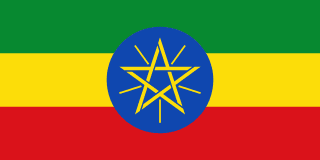
A identidade da nação
Ethiopia is one of the oldest nations in the world and one of the few African lands never to have been colonized. Nestled in the Horn of Africa, it is a country of high plateaus, deep valleys and more than 80 peoples and languages. Its identity is intertwined with an ancient Christian faith: the gospel reached the kingdom of Aksum as early as the 4th century, centuries before much of Europe.
Today the majority of the population is Christian, with a strong presence of the Ethiopian Orthodox Church alongside an evangelical movement that is growing vigorously. About a third of Ethiopians are Muslim, especially in the lowlands of the east, and there are still peoples who follow traditional ethnic religions. It is a nation where faith is public, everyday and deeply rooted.
Despite its Christian heritage, Ethiopia remains a great field of need. Peoples such as the Somalis, the Afar and part of the Oromo remain little or unreached, many of them Muslim or animist, in arid and hard-to-reach regions. Dozens of languages still have no translated Bible.
The country faces ethnic tensions, regional conflicts, population displacement and cycles of drought and famine. The church lives between the richness of a thousand-year tradition and the challenge of bringing a living gospel to the peoples of the frontiers and to those who have converted and face rejection.
Ethiopia is a land of deep devotion, fasting, prayer and resilience. Where faith is so ancient, the challenge is that it always stay alive: that the church mature in depth, reach the forgotten peoples and be light amid division and suffering.
- Antiquity The Queen of Sheba and the kingdom of Aksum mark the nation's origins; tradition links the nation to King Solomon.
- 4th century The kingdom of Aksum adopts Christianity under King Ezana, becoming one of the first Christian states in the world.
- 1270 Yekuno Amlak restores the Solomonic dynasty, which would rule for centuries.
- 12th-13th centuries The monolithic churches of Lalibela, a new "Jerusalem," are carved out of rock.
- 1896 At the Battle of Adwa, Ethiopia defeats Italy and preserves its independence.
- 1930 Haile Selassie is crowned emperor.
- 1936-1941 Italian occupation under Mussolini; the country is liberated with British support.
- 1974 The Derg military regime deposes the emperor; years of repression and famine follow.
- 1991 Fall of the Derg; Ethiopia becomes a federal republic organized along ethnic lines.
- 1993 Eritrea separates and becomes independent.
- Today A federal republic with a Christian majority, strong evangelical growth, ethnic tensions and still-unreached peoples.
-
Amharicfederal official language, lingua franca and language of the Orthodox Church
-
Oromothe most widely spoken language by number of native speakers
-
Somali, Tigrinya and Afarregional official languages, spoken by millions
-
Ge'ezancient liturgical language of the Orthodox Church
-
Ethnic languagesmore than 80 languages, many still without a translated Bible
Ethiopia is a landlocked country in the Horn of Africa, dominated by a vast central plateau cut through by the Rift Valley. From cool, fertile mountains to scorching desert lowlands, it is a land of geographic extremes, source of the Blue Nile and home to some of the most spectacular landscapes on the continent.
Principais cidades
- Addis AbabaCapital and largest city, seat of the African Union
- Dire DawaIndustrial and commercial hub in the east
- MekelleCapital of the Tigray region
- GondarHistoric city of castles, the "Camelot of Africa"
- LalibelaHoly city of the rock-hewn churches
- AksumHeart of ancient Ethiopia, with its millennia-old stelae
- Bahir DarOn the shores of Lake Tana, near the Blue Nile Falls
Clima e temperatura
Injera
Flat, fermented teff bread, the base of meals, used to scoop up the other dishes.
Doro wat
Spicy chicken stew with the berbere spice blend and a hard-boiled egg, a festive dish.
Tibs
Sautéed strips of meat with onion, garlic and pepper, served hot over injera.
Kitfo
Finely minced raw beef seasoned with mitmita and spiced butter, a dish of the Gurage people.
Ethiopian coffee
Ethiopia is the birthplace of coffee; its preparation is a social ritual of roasting, grinding and sharing.
Entenda
Cultura e espiritualidade
2a · A cultura
Ancient, everyday faith
Orthodox devotion shapes the calendar, fasts and public life; religion permeates everything.
Hospitality and coffee
Welcoming guests is sacred; the coffee ceremony brings family and visitors together in long moments of sharing.
Mosaic of peoples
More than 80 ethnic groups, with their own languages, dress and traditions, live side by side in the same nation.
Pride in never having been colonized
The victory at Adwa and long independence fuel a strong sense of identity.
A calendar and clock all its own
Ethiopia follows a 13-month calendar and a way of counting hours distinct from the rest of the world.
Respect for elders
Age and family or religious authority are deeply honored.
- Ignoring religious sensitivity Faith is central; disrespecting churches, fasts or customs deeply offends.
- Generalizing Ethiopians as a single people There are dozens of ethnic groups and languages; treating diversity with care is essential.
- Bringing up ethnic tensions lightly Regional conflicts are open wounds; the subject calls for caution and listening.
- Using the left hand to eat or greet As in much of the region, this is considered improper.
- Rushing relationships and meals The time given to coffee and fellowship is valued; haste comes across as disrespect.
- Treating poverty with pity or superiority Dignity and partnership matter more than charity.
2b · O campo
Áreas de batalha espiritual e cativeiro cultural a serem cobertas em oração. Toque em cada ponto para entender:
An ancient faith can grow cold into tradition and ritual without a living encounter with Christ.
Rivalries between peoples fuel conflict, hatred and bloodshed.
The search for protection in spirits and animist practices keeps peoples from the gospel.
Folk beliefs and amulets blend with faith, diluting the truth of the gospel.
Those who leave Islam or the Orthodox tradition face persecution from their own family and community.
Somalis, Afar and others remain without a living church in their own language and territory.
Droughts and crises push millions into misery and despair.
Regional wars leave the dead, the displaced and traumatized communities.
Dishonesty in public life erodes trust and justice.
A sense of superiority can harden hearts to what is new or different.
Repression, famine and violence have marked the memory of the people and call for healing.
Ethiopia has a Christian majority, but pressure on certain groups of believers is high. Persecution varies according to the type of Christian and the region. Those who convert from Islam, especially in the Muslim-majority areas of the east, may face rejection from family, mob attacks, church burnings and discrimination.
There is also tension within Christianity itself: ultraconservative sectors of the Orthodox Church sometimes portray Protestants and evangelicals as foreign and unpatriotic, generating stigma and pressure on those who leave the Orthodox tradition for other expressions of faith.
The state’s weak control over its whole territory worsens the picture: amid regional conflicts such as those in Tigray, Amhara and Oromia, churches have been burned, looted and destroyed, and Christians have been killed in attacks. Prayer for converts, for communities in conflict zones and for the unity of the church is urgent.
O score de perseguição vai de 0 a 100: quanto maior, maior a pressão sobre os cristãos.
Ethiopia is home to more than 80 peoples and languages, with a contrasting spiritual landscape: alongside a strong Christian heritage, dozens of groups remain little or unreached. The Somalis and the Afar, in the arid east, and part of the Oromo, many of them Muslim or animist, are among the greatest challenges. Dozens of languages still await a translation of the Scriptures.
- 23 mi Não alcançado 17,1%
- 15,3 mi Pouco alcançado 11,4%
- 39,1 mi Superficialmente alcançado 29,1%
- 10,9 mi Parcialmente alcançado 8,1%
- 46,2 mi Significativamente alcançado 34,3%
- 30 Não alcançado 25%
- 4 Pouco alcançado 3,3%
- 11 Superficialmente alcançado 9,2%
- 28 Parcialmente alcançado 23,3%
- 47 Significativamente alcançado 39,2%
Fonte dos dados de povos: Joshua Project (joshuaproject.net). Estimativas, podem variar.
Somaliano Fronteira
Árabe Iemenita Fronteira
Shabo
Somali, Garre
Negedbeher, Weyto
Oromo, Bale
Gobato Fronteira
Fonte: Joshua Project. Estimativas, podem variar.
Ore
Interceda por esta nação
Cada nação carrega um propósito redentor. Marcas que parecem fazer parte da identidade que Deus deseja restaurar:
Vá
Logística para quem deseja ir
Horário local
Custo de vida
varies greatly between the capital and the countryside
Custo nas cidades
Valores de referência (base: Numbeo). Confirme antes de viajar.
Pontos práticos para quem vai
- Learn greetings in Amharic: the effort with the language opens doors and shows respect.
- Respect religious fasts and festivals: much of the calendar revolves around them.
- Pay attention to altitude in Addis Ababa and on the plateau; the body takes days to adjust.
- Find out about regional safety: some areas are affected by conflict and should be avoided.
- Bring cash: cards are not widely accepted outside the major centers.
- Set aside time for relationships: fellowship and coffee are an essential part of the culture.
Envie e sustente
Nem todos vão, todos participam
Nem todos vão. Todos participam.
Por trás de cada obreiro entre estes povos existe uma rede de gente que ora sem parar, cuida da família que ficou e sustenta o trabalho com fidelidade. Enviar também é missão.
Comece pela sua igreja: apresente esta nação, adote-a em oração contínua e caminhe junto de quem Deus está levantando para ir.