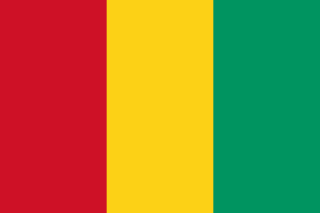
Discover
The identity of the nation
Guinea, often called Guinea-Conakry to distinguish it from its similarly named neighbors, sits on the coast of West Africa and is home to about 13 million people. The capital, Conakry, is a bustling port city packed onto the Kaloum peninsula, where the country’s commerce, politics and cultural life converge. French is the official language, a colonial legacy, but it is in the local languages that the heart of the people is expressed.
It is a nation of strong Muslim identity: about 88% of the population follows Islam, often intertwined with traditional practices inherited from the ancestors. Christians make up just over 4%, concentrated mainly in the forest region in the southeast and in Conakry. Evangelicals are less than 1% of the population, making Guinea one of the neediest fields in West Africa.
The territory holds striking contrasts: the lush highlands of the Fouta Djallon, birthplace of the Niger, Senegal and Gambia rivers; the savannas of Upper Guinea; the tropical rainforest of the southeast; and the humid coastal plain. Beneath the soil, Guinea holds the world’s largest bauxite reserve, a wealth that drives the economy but does little to transform the lives of most people, who still face poverty and low levels of education.
Politically, the country has lived through decades of instability: from the long authoritarian rule that followed independence in 1958, through military coups, to the military takeover in 2021. The youth population is enormous, more than 40% of the population is under 15, dreaming of opportunity amid uncertainty.
Among Guineans, the Christian faith is young and fragile, and many peoples have never heard the gospel in their own language. Where the Lord has planted small communities, there is a hunger for discipleship, for translated Bibles and for workers who love this hospitable and resilient people.
- Before the 16th century West African kingdoms and empires, including the Mali Empire, dominate the region.
- 18th century Muslim theocratic states become established in the Fouta Djallon.
- 19th century France advances into the territory and incorporates it into French West Africa.
- 1958 Guinea rejects De Gaulle's proposal in a referendum and proclaims independence, led by Sékou Touré.
- 1958-1984 Single-party rule under Sékou Touré, marked by isolation and repression.
- 1984 Death of Sékou Touré; the military takes over under Lansana Conté.
- 2010 Alpha Condé wins the country's first election widely considered democratic.
- 2014 The Ebola epidemic begins in southeastern Guinea and devastates the region.
- 2021 Military forces led by Mamady Doumbouya depose Alpha Condé and seize power.
- Today A young, majority Muslim nation, rich in minerals, with the church still small and many unreached peoples.
-
Frenchofficial, used in government, schools and business
-
Fula (Pular)spoken by the Fula people, mainly in the Fouta Djallon
-
Maninka (Malinke)common in Upper Guinea, tied to Mandingo heritage
-
Susulingua franca of the coast and Conakry
-
Forest languagesKpelle, Kissi, Toma and others in the southeast
Guinea lies on the Atlantic coast of West Africa and is divided into four distinct natural regions: Maritime Guinea, the humid coastal plain where Conakry is located; the Fouta Djallon, a lush plateau where the Niger, Senegal and Gambia rivers rise; Upper Guinea, a savanna region; and the Forest Region in the southeast, covered by tropical rainforest. Beneath the territory lie the world's largest bauxite reserves.
Major cities
- ConakryCapital and largest city, port on the Kaloum peninsula
- NzérékoréLargest city in the forested southeast, a hub of the region with the most Christians
- KankanCenter of Upper Guinea and a hallmark of Mandingo culture
- KindiaCommercial city east of Conakry, surrounded by waterfalls
- LabéMain city of the Fouta Djallon, heart of Fula land
- BokéBauxite mining hub on the northern coast
Climate and temperature
Poulet Yassa
Chicken marinated in lemon, onion and mustard, grilled and served with rice.
Riz Gras
Rice cooked with meat, vegetables and palm oil, a popular everyday dish.
Yétissé
Fish stew served with rice and mashed okra.
Pastels
Fried pastries filled with meat, fish or vegetables, eaten as a snack.
Brochettes
Skewers of marinated meat grilled on the street, common in Conakry.
Peanut sauce
Creamy stew made from peanut paste, common in West Africa.
Understand
Culture and spirituality
2a · The culture
Hospitality and sharing
Welcoming guests and sharing food is a sign of honor and respect.
Strength of the extended family
Life revolves around the clan and the elders, whose word carries great weight.
Heritage of the griots
Musicians and storytellers preserve the memory of the Mandingo peoples.
Faith woven into daily life
Islam shapes daily schedules, festivals and social relationships.
Ethnic diversity
Fula, Maninka, Susu and forest peoples live together with their own languages and customs.
Respect for elders
Age confers authority, and the young learn by listening to the elders.
- Eating or greeting with the left hand It is considered unclean; always use the right hand.
- Ignoring elders Greeting and honoring elders first is essential in any encounter.
- Disrespecting Islamic customs Dressing modestly and respecting fasting and prayer times opens doors.
- Photographing without permission People, markets and official buildings can react badly to unauthorized photos.
- Treating poverty with pity Dignity and friendship matter more than charity or a sense of superiority.
- Rushing conversations The time given to relationship and greeting is valued, do not skip steps.
2b · The field
Areas of spiritual battle and cultural captivity to cover in prayer. Tap each point to understand:
Muslim identity is so strong that leaving it is seen as betraying family and people.
Traditional practices and amulets blend with faith, diluting full surrender to one God.
Fear of occult forces and witchcraft keeps many trapped in spiritual insecurity.
Those who embrace Christ risk rejection, loss of family and even threats.
Mineral wealth does not reach the people, and misery breeds hopelessness.
Decades of authoritarian regimes and coups have wounded the nation's trust and hope.
Diverted public funds stifle development and harm justice.
Tensions among Fula, Maninka and Susu are exploited in politics and divide the country.
Many peoples still do not have the Bible in their mother tongue.
Christian communities are few and lack discipleship and training.
Guinea is a majority Muslim nation where the Constitution provides for religious freedom, but social pressure on Christians is real, especially for those who convert from Islam. The most sensitive issue is not state persecution, but the hostility that comes from family and community.
Converts from Islam frequently face rejection: they can lose their home, their job and their relationship with relatives. In regions with a strong Muslim tradition, such as the Fouta Djallon, many live out their faith in silence, unable to express it in public. There are reports of threats, expulsions and, in extreme cases, violence against those who leave Islam.
Churches, concentrated in Conakry and the Forest Region, sometimes struggle to obtain registration or authorization from local authorities. Even so, Christianity is not banned, and Christians by birth generally live with relative freedom. The greatest challenge is the communal pressure that isolates and silences those who choose to follow Jesus.
The persecution score runs from 0 to 100: the higher it is, the greater the pressure on Christians.
Guinea is a mosaic of peoples, and many of them remain unreached. The three largest groups, Fula, Maninka and Susu, are strongly Muslim and have very few followers of Christ. Evangelicals make up less than 1% of the population, concentrated mainly in the forest region in the southeast. Dozens of peoples still do not have the Bible translated into their mother tongue, and most have never had the chance to hear the gospel in a way they can understand.
- 13M Unreached 87%
- 296K Minimally reached 2%
- 0 Superficially reached 0%
- 1.7M Partially reached 11,1%
- 0 Significantly reached 0%
- 28 Unreached 66,7%
- 7 Minimally reached 16,7%
- 0 Superficially reached 0%
- 7 Partially reached 16,7%
- 0 Significantly reached 0%
Source of people group data: Joshua Project (joshuaproject.net). Estimates, may vary.
Baga Fore, Black Baga
Arab Lebanese Muslim
Badyara
Baga Mandouri Frontier
Manya Frontier
Fula Jalon Frontier
Maninka Konyanka Frontier
Source: Joshua Project. Estimates, may vary.
Pray
Intercede for this nation
Every nation carries a redemptive purpose. Marks that seem woven into the identity God desires to restore:
Go
Practical details for those who want to go
Local time
Cost of living
varies widely and suffers from inflation
Cost by city
Reference values (source: Numbeo). Confirm before traveling.
Practical points for those who go
- Learn basic French: it is the official language and opens the first doors; Susu helps a lot in Conakry.
- Get the yellow fever vaccine and take precautions against malaria, present throughout the country.
- Dress modestly: discreet clothing shows respect in a majority Muslim country.
- Bring cash: cards and ATMs are rare outside Conakry.
- Have patience with the infrastructure: power, water and roads can be unreliable.
- Build relationships slowly: friendship and trust are the foundation of everything in Guinea.
Send and sustain
Not everyone goes, everyone takes part
Not everyone goes. Everyone takes part.
Behind every worker among these peoples stands a network of people who pray without ceasing, care for the family left behind, and faithfully sustain the work. Sending is mission too.
Start with your church: introduce this nation, adopt it in ongoing prayer, and walk alongside those God is raising up to go.