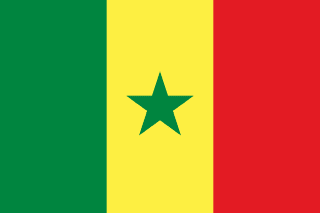
Discover
The identity of the nation
Senegal occupies the westernmost point of the African continent, and is known throughout the region for its political stability and for a word that sums up much of its identity: teranga, which in Wolof means hospitality and generosity. Welcoming the stranger is almost a sacred duty there, and this culture of hospitality has made the country one of the few examples of peaceful coexistence between religions in West Africa, a region marked by conflict and extremism in neighboring countries.
This peace, however, coexists with a very strong religious identity: almost the entire population is Muslim, and the Islamic faith in Senegal has its own form, organized into Sufi brotherhoods (mystical groups within Islam) led by marabouts, spiritual leaders who guide the lives of millions of followers. Being Senegalese, for most people, is almost synonymous with being Muslim, which makes the Christian faith seem foreign, associated with other peoples, rather than a possible personal choice.
For this reason, the country’s few Christians, most of them converts from Islam or from traditional African religions, often pay a high and silent price: not legal or violent persecution, but rejection by their own family, social isolation and, at times, loss of inheritance and family ties. The local Christian church is small, historically concentrated among immigrants from other African countries, and still needs to mature and put down roots among Senegalese themselves.
At the same time, Senegal is going through an economic transformation with the recent arrival of oil and gas exploration, which brings hope of development but also raises questions about justice and the distribution of wealth. Meanwhile, thousands of young people, without jobs or prospects, risk their lives in fishing boats headed for Europe, on one of the most dangerous migration routes in the world. They are a generous, creative and deeply religious people, who still await the message of Jesus reaching their largest ethnic groups, such as the Wolof and the Fula peoples, who today have practically no church of their own.
- Before the arrival of Europeans, African kingdoms such as Jolof, Cayor and Sine dominated the region, with a strong presence of Muslim traders from North Africa.
- 1444 Portuguese navigators reach the Senegalese coast, beginning contact with Europe.
- 1659 France builds a fort at the mouth of the Senegal River, giving rise to the city of Saint-Louis.
- 1677 The French take the island of Gorée from the Dutch; the site becomes one of the main departure points for enslaved Africans bound for the Americas.
- 1854-1865 French colonial power expands over much of the country's present-day territory.
- 1863 The first European Protestant group arrives in Saint-Louis, beginning a small evangelical church in the country.
- 1960 Independence from France; the country elects its first president, a Catholic poet, beginning two decades of stable government.
- 1982 An armed conflict begins in the Casamance region in the south, between the government and a separatist movement.
- 2024 The country begins oil production, opening a new economic phase.
- 2025 The government and the main Casamance separatist group sign a historic peace agreement.
- Today Senegal is seen as one of the most stable and democratic countries in West Africa, but faces poverty, unemployment and strong migratory pressure among young people.
-
Frenchofficial language, used in government, education and business
-
Wolofspoken as a mother tongue or second language by most of the population; functions as the country's lingua franca
-
Pulaar (Fula)spoken by the Fula people, the country's second-largest ethnic group
-
Sererlanguage of the Serer people, in the west of the country
-
Diola (Jola)spoken in the Casamance region, in the south
-
Mandinka (Malinke)spoken by communities in the southeast of the country
-
Soninkespoken by a small part of the population, linked to the ancient trans-Saharan trade
Senegal lies at the westernmost point of the African continent, where the Atlantic Ocean meets the Sahel, the dry savanna belt that separates the Sahara Desert from the greener regions to the south. The terrain is largely flat, with sandy plains and coastal dunes. The Senegal River marks much of the northern border with Mauritania, and the small country of the Gambia forms a narrow corridor that crosses Senegalese territory from east to west, almost separating the southern Casamance region from the rest of the country.
Major cities
- DakarCapital and largest city, the country's main port and economic center
- ToubaSecond-largest city, religious center of the Mouride Muslim brotherhood
- ThièsImportant industrial and railway hub
- Saint-LouisFormer colonial capital, UNESCO World Heritage Site, at the mouth of the Senegal River
- ZiguinchorMain city of the Casamance region, in the south of the country
Climate and temperature
Thieboudienne
Rice with fish and vegetables cooked in tomato sauce, considered Senegal's national dish
Yassa
Chicken or fish marinated in lemon, onion and mustard, then grilled and cooked in its own marinade
Mafé
Meat or fish stew in a creamy peanut paste sauce, served with rice
Ceebu Yapp
A variation of thieboudienne made with beef instead of fish
Bissap
A sweet, refreshing juice made from hibiscus flowers, served well chilled
Café Touba
Coffee spiced with a local pepper with a spicy flavor, widely sold on city streets
Understand
Culture and spirituality
2a · The culture
Teranga, hospitality
Wolof word (the most widely spoken language in the country) meaning welcome and generosity; warmly receiving visitors is a central value of Senegalese culture.
Griots, keepers of memory
Musicians and storytellers who pass down family genealogies and achievements from generation to generation, often playing the kora, a traditional 21-string harp.
Senegalese wrestling (lamb)
Traditional wrestling fills stadiums and is surrounded by drums, dance and amulets; it is one of the country's biggest sporting spectacles.
Muslim brotherhoods
Religious life is organized into Sufi brotherhoods (mystical groups within Islam) led by marabouts, spiritual leaders with great social and economic influence.
Extended family and community
Personal decisions, including matters of faith, involve the extended family and community, not just the individual.
Ethnic diversity in harmony
The peaceful coexistence among peoples such as the Wolof, Fula, Serer, Diola and Mandinka is a striking feature of the country.
- Eating or greeting with the left hand It is considered the "impure" hand in many cultures of the region; always use the right hand.
- Refusing food or tea that is offered It is seen as a lack of respect for hospitality (teranga); even a small portion shows consideration.
- Openly criticizing Islam or the marabouts (Sufi spiritual leaders) Faith is a central part of social identity; direct criticism closes doors rather than opening them.
- Rushing conversations and visits Long greetings and questions about family are part of mutual respect; getting straight to the point can seem cold.
- Photographing people without asking permission Many see this as intrusive, especially near mosques and religious ceremonies.
- Dressing too short or revealing Especially outside Dakar, more modest clothing is a sign of respect, for both men and women.
2b · The field
Areas of spiritual battle and cultural captivity to cover in prayer. Tap each point to understand:
Many Muslims rely more on the spiritual authority of the marabout (Sufi leader) than on a personal relationship with God.
The use of protective amulets that blend traditional African beliefs with Islam is common.
Those who leave Islam to follow Jesus face rejection and isolation from their own family.
Being Senegalese is almost synonymous with being Muslim, which makes it difficult to consider another faith.
Trust in institutions is undermined by cases of favoritism and misuse of resources.
Many young people risk their lives on boats headed for Europe in search of a better life.
The lack of opportunities generates frustration and hopelessness among young people, the majority of the population.
Recent economic growth from oil has sparked a desire for wealth that competes with spiritual values.
Traditional African practices blend with the Islamic faith and, at times, also with the Christian faith.
Decades of armed conflict in the south have left mistrust and unresolved stories of pain.
Religious freedom is guaranteed by law, and Senegal is known for peaceful coexistence between religions, something rare in the West Africa region. Even so, those who decide to leave Islam to follow Jesus face real pressure, coming mainly from within their own homes.
Most of the country’s Christians are precisely converts from Islam or from traditional African religions, and many are rejected by their own family when they announce their new faith. Marriages can be dissolved, children can lose inheritance rights, and the person can be cut off from the entire community in which they grew up.
To avoid attracting hostility, many Christians prefer to live out their faith discreetly, without drawing attention in prayers or gatherings. New churches, which do not belong to the historic denominations present since colonial times, face greater difficulty obtaining land and official registration to build their places of worship.
In the Casamance region in the south, decades of armed conflict have made evangelism even more difficult and left communities isolated and wary of outsiders.
The persecution score runs from 0 to 100: the higher it is, the greater the pressure on Christians.
Senegal has 54 cataloged people groups, totaling about 19.1 million people. Of these groups, 28, more than half, are still considered unreached with the gospel, representing nearly 82% of the country's entire population. The largest unreached groups come from the Fula (Peul) family, such as the Fulakunda and the Toucouleur, in addition to the country's largest people group, the Wolof, who are almost entirely Muslim. The Christian presence is small and concentrated mainly among immigrants from other African countries and in specific communities, such as that of Cape Verdeans.
- 15.7M Unreached 81,9%
- 3.1M Minimally reached 16,3%
- 148K Superficially reached 0,8%
- 193K Partially reached 1%
- 0 Significantly reached 0%
- 28 Unreached 51,9%
- 18 Minimally reached 33,3%
- 3 Superficially reached 5,6%
- 5 Partially reached 9,3%
- 0 Significantly reached 0%
Source of people group data: Joshua Project (joshuaproject.net). Estimates, may vary.
Wolof Frontier
Budik
Bainouk, Gunyaamolo
Fuuta Torro Frontier
Manjaco
Fulbe jeeri Frontier
Mandingo
Source: Joshua Project. Estimates, may vary.
Pray
Intercede for this nation
Every nation carries a redemptive purpose. Marks that seem woven into the identity God desires to restore:
Go
Practical details for those who want to go
Local time
Cost of living
about 50 to 70% cheaper than New York, according to Numbeo (the exact difference varies by category)
Cost by city
Reference values (source: Numbeo). Confirm before traveling.
Practical points for those who go
- Learn a few words in Wolof: even though French is the official language, saying "Nanga def?" (how are you?) in Wolof opens doors and shows respect.
- Have patience with the heat and dust, especially during the harmattan, the dry wind from the Sahara between December and March.
- Dress modestly, especially outside Dakar and in more religious areas.
- Bring cash: cards are not accepted in many places outside the major centers.
- Respect Muslim prayer times, which shape the rhythm of daily life.
- Avoid sensitive political topics in conversations with strangers, especially about Casamance.
Send and sustain
Not everyone goes, everyone takes part
Not everyone goes. Everyone takes part.
Behind every worker among these peoples stands a network of people who pray without ceasing, care for the family left behind, and faithfully sustain the work. Sending is mission too.
Start with your church: introduce this nation, adopt it in ongoing prayer, and walk alongside those God is raising up to go.