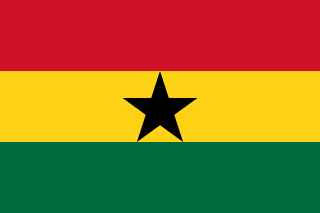
Discover
The identity of the nation
Ghana was the first sub-Saharan African nation to win independence, in 1957, and has carried a symbolic weight for the whole continent ever since. Located in West Africa, with its capital in Accra and around 33 million people, it is an English-speaking country marked by political stability and a people known for warm hospitality and a strong sense of community.
The majority of the population is Christian. Christianity arrived along the coast back in the colonial period and today is expressed in historic churches (Catholic, Methodist, Anglican, Presbyterian) and, above all, in a vigorous Pentecostal and charismatic movement that has grown since the 1970s. Services overflow with music, dance and celebration, and Ghana has become one of the most dynamic centers of African Christianity.
This fervor, however, coexists with deep challenges. Religious syncretism is a present reality: many who call themselves Christians still turn to traditional healers, amulets and traditional religious practices for protection and healing. Prosperity theology has gained ground in part of the charismatic movement, shifting the focus from the gospel to material blessings. Faith needs deeper roots in discipleship and in Scripture.
The north of the country has a different face from the south. There, Islam and ethnic religions predominate, and peoples such as the Hausa, Fulani, Dagomba and Gonja live there, many of them little reached by the gospel. There are dozens of languages that still do not have the complete Bible. The contrast between an intensely Christian south and a north with few believers is one of Ghana’s spiritual hallmarks.
Ghana is a nation that prays, sings and welcomes, and that has sent its children throughout Africa. The call is for a mature faith, free of religious syncretism and commercialism, and for the gospel to reach the peoples of the north who still wait to hear it in their own language.
- 11th-15th c. Kingdoms and empires flourish in the region, among them the Akan states and, at the center, the powerful Ashanti Empire.
- 1471 Portuguese navigators reach the coast and, drawn by gold, name the region the Gold Coast.
- 16th-19th c. The coast becomes one of the main trading posts of the enslaved peoples trade; forts such as Elmina mark this dark period.
- 1874 The British consolidate control and turn the Gold Coast into a colony.
- 1957 Under the leadership of Kwame Nkrumah, it becomes the first sub-Saharan African nation to win independence and adopts the name Ghana.
- 1966 A military coup overthrows Nkrumah, beginning decades of instability and military governments.
- 1992 A new constitution restores multiparty democracy; the country establishes itself as one of the most stable in Africa.
- Today A majority Christian nation and consolidated democracy, with strong faith in the south and little reached peoples in the north.
-
Englishofficial, lingua franca inherited from the colonial period, used in administration and education
-
Akan (Twi and Fante)most widely spoken language group, especially in the south and center
-
Ewespoken in the southeast of the country
-
Gaspoken in and around Accra
-
Dagbanispoken in the north
-
Hausaused as a trade language, especially among Muslim communities
Ghana lies in West Africa, bordered by the Atlantic Ocean to the south and sharing borders with Ivory Coast, Burkina Faso and Togo. The territory runs from a low, sandy coast, through forested plateaus in the center and south, and opens into savanna and dry plains in the north. The Volta River cuts through the country and forms one of the largest artificial lakes in the world.
Major cities
- AccraCapital and largest city, political and economic hub on the coast
- KumasiHistoric heart of the Ashanti people, surrounded by forest
- TamaleMain city of the north, majority Muslim
- Sekondi-TakoradiPort and oil hub on the western coast
- Cape CoastHistoric city, marked by the old forts of the colonial period
Climate and temperature
Jollof rice
Rice cooked in a tomato and spice sauce, a signature dish of West Africa.
Fufu
Elastic dough made of pounded cassava and plantain, served with soups and stews.
Banku
Fermented corn and cassava dough, served with fish and spicy sauces.
Kenkey
Fermented corn dough cooked in leaves, served with fried fish and pepper.
Waakye
Rice and beans cooked together, dark in color, served with various sides.
Peanut soup
Creamy peanut stew with beef or chicken, much appreciated.
Understand
Culture and spirituality
2a · The culture
Warm hospitality
Visitors are welcomed with generosity; hosting well is a matter of honor.
Extended family
Grandparents, uncles, aunts and cousins often live close by; family ties are central.
Respect for elders
The word of elders carries weight in decisions and commands reverence.
Funerals as celebration
Death is seen as a passage; the wake becomes a tribute celebration, with dance and color.
Kente
Traditional cloth with symbolic patterns and colors, linked to royalty and major occasions.
Music and dance
Central to social life and to worship services, expressing joy and faith.
- Using the left hand to give or receive something It is considered disrespectful; use the right hand instead.
- Skipping greetings and initial conversation Rushing past greetings comes across as cold; relationship comes before business.
- Treating elders without deference Respect for elders is a non negotiable value.
- Ignoring the differences between south and north These are distinct cultural and religious realities; generalizing offends.
- Reducing local faith to superstition There is deep spirituality here; dismiss it and you will close doors.
2b · The field
Areas of spiritual battle and cultural captivity to cover in prayer. Tap each point to understand:
Many Christians still turn to traditional healers, amulets and traditional rites seeking protection.
In part of the charismatic movement, material blessing overshadows the gospel of the cross.
Worship of deities and ancestors remains strong, especially inland.
Peoples of the north live under Islam and ethnic beliefs, with little access to the gospel.
Fear of spiritual forces and curses shapes everyday decisions.
Accusations of witchcraft still drive people, especially elderly women, into isolation.
In the cities, the pursuit of status and consumption competes with faith.
Corrupt practices in public sectors undermine trust and justice.
Much emotion and little depth in Scripture and discipleship.
Cultural and religious distance between the regions hinders holistic mission.
Ghana is, overall, a nation of broad religious freedom. The constitution guarantees freedom of faith, and Christians, Muslims and followers of traditional religions coexist with remarkable tolerance. Pressure on Christians is low compared to many neighbors in the region.
The greatest difficulties appear in northern communities, mostly Muslim or linked to ethnic religions. There, those who leave Islam or traditional beliefs to follow Christ may face family rejection, community pressure and loss of social support. In some localities, traditional leaders resist a change of faith.
There is also concern about the advance of extremist groups in neighboring Sahel countries, which threatens stability along the northern borders. For now, however, Ghana remains one of the most open environments on the continent for the expression and growth of the Christian faith.
The persecution score runs from 0 to 100: the higher it is, the greater the pressure on Christians.
Ghana has dozens of people groups. The south is majority Christian and well reached, but the north concentrates peoples under Islam and ethnic religions, such as the Hausa, Fulani, Dagomba and Gonja, many of them little or not reached. Dozens of languages still lack the complete Bible, and it is among these peoples of the north that the country's greatest missionary need lies.
- 1.9M Unreached 5,4%
- 288K Minimally reached 0,8%
- 14K Superficially reached 0%
- 5.6M Partially reached 16,1%
- 27.1M Significantly reached 77,6%
- 16 Unreached 14,8%
- 7 Minimally reached 6,5%
- 1 Superficially reached 0,9%
- 30 Partially reached 27,8%
- 54 Significantly reached 50%
Source of people group data: Joshua Project (joshuaproject.net). Estimates, may vary.
Jula dyula
Gonja ngbanyito
Kamara Frontier
Fulani gurmanche
Foodo Frontier
Mamprusi
Nanumba
Source: Joshua Project. Estimates, may vary.
Pray
Intercede for this nation
Every nation carries a redemptive purpose. Marks that seem woven into the identity God desires to restore:
Go
Practical details for those who want to go
Local time
Cost of living
higher in Accra than inland
Cost by city
Reference values (source: Numbeo). Confirm before traveling.
Practical points for those who go
- English opens doors: it is the official language, but learning greetings in Twi brings you closer to people.
- Schedule your yellow fever vaccine and take care with malaria prevention.
- Use the right hand to greet, give and receive objects.
- The trotro (shared van) is the most common and cheapest transport in the cities.
- Bring cash: the cedi is the local currency and cards are not always accepted.
- In the north, respect Muslim customs and dress modestly.
Send and sustain
Not everyone goes, everyone takes part
Not everyone goes. Everyone takes part.
Behind every worker among these peoples stands a network of people who pray without ceasing, care for the family left behind, and faithfully sustain the work. Sending is mission too.
Start with your church: introduce this nation, adopt it in ongoing prayer, and walk alongside those God is raising up to go.