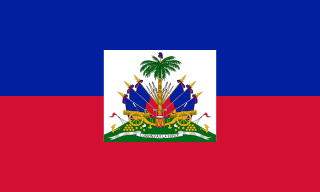
Discover
The identity of the nation
Haiti occupies the western third of the island of Hispaniola, at the heart of the Caribbean, and carries a unique history: in 1804 it became the world’s first Black republic and the first nation in the Americas to abolish slavery on its own. A revolt of enslaved people defeated one of the greatest empires of the time and founded a free country, governed by former captives. This pride in freedom lies at the center of Haitian identity.
With about 11.5 million inhabitants, Haiti is a majority Christian nation, combining Catholics and a growing number of Evangelicals. Faith is lived out intensely, in songs, vigils and prayers. At the same time, Vodou (traditional Haitian religion), a religion with African roots born during the period of slavery, remains deeply embedded in popular culture, and many blend Christian practices with Vodou in daily life. This blending of religions is the country’s greatest spiritual issue.
The Haitian people are resilient, hospitable and creative. The mother tongue of nearly everyone is Haitian Creole (the official language spoken in Haiti), born from the encounter between French and African languages. Music, naïve painting and poetry flourish even amid poverty. Families are close and community life is strong, sustained by a faith that provides support in difficult times.
Few nations have faced so many trials in succession: dictatorships, political instability, the devastating 2010 earthquake and, in recent years, a severe crisis of gang violence that has taken hold of the capital. Millions depend on humanitarian aid and many have been displaced from their homes. The pain is real, but Haiti is not just a country of tragedies: it is a nation that insists on hoping.
For those who wish to serve there, the invitation is to humble, lasting companionship: walking alongside a church that suffers and prays, strengthening discipleship so that faith stops blending with Vodou, and bringing concrete hope to a generation of young people who grew up amid chaos. Haiti needs less pity and more brothers and sisters who stay.
- Before the Europeans, the Taíno people inhabited the island they called Ayiti, land of mountains.
- 1492 Christopher Columbus lands on Hispaniola; within a few decades the Taíno population is decimated.
- 17th century France takes the western part of the island and founds Saint-Domingue, a sugar colony driven by enslaved Africans.
- 1791 The revolt of the enslaved begins, led by figures such as Toussaint Louverture.
- 1804 Under Jean-Jacques Dessalines, independence is proclaimed; Haiti is born, the world's first Black republic.
- 1915 The United States begins a military occupation that lasts until 1934.
- 1957 François Duvalier takes power and establishes a repressive dictatorship, followed by his son until 1986.
- 1991 Jean-Bertrand Aristide, the first democratically elected president, is overthrown in a coup; a long period of instability follows.
- 2010 A devastating earthquake kills more than two hundred thousand people and destroys much of the capital.
- 2021 President Jovenel Moïse is assassinated, deepening the power vacuum and the crisis of violence.
- Today Gangs control much of Port-au-Prince; millions depend on aid and the church prays for peace.
-
Haitian Creolemother tongue of practically the entire population
-
Frenchco-official, used in school, government and official documents
Haiti occupies the western third of the island of Hispaniola, which it shares with the Dominican Republic. It is the most mountainous nation in the Caribbean: its very name comes from an indigenous word meaning land of mountains. Ranges such as the Massif de la Hotte and the Massif du Nord cut across the territory, interspersed with coastal plains and valleys. The highest point is Pic la Selle, at 2,680 meters.
Major cities
- Port-au-PrinceCapital and largest city, political and economic center
- Cap-HaïtienImportant city in the north, historic and tourist hub
- GonaïvesCity in the north, where independence was proclaimed
- Les CayesMain city in the south of the country
Climate and temperature
Diri ak pwa
Rice and beans, the national dish, a staple of the Haitian table.
Griot
Cubes of pork marinated in citrus fruits and fried, served with rice.
Soup joumou
Pumpkin soup served on New Year's Day, a symbol of independence and cultural heritage recognized by UNESCO.
Banann peze
Mashed and fried plantain, a popular side dish.
Pikliz
Spicy pickled cabbage and carrot relish that accompanies almost everything.
Understand
Culture and spirituality
2a · The culture
Pride in freedom
Being the first nation to free itself from slavery on its own shapes the people's identity.
Strength of community
Life revolves around the extended family and solidarity among neighbors.
Art and color
Naïve painting, music and poetry are living expressions even amid hardship.
Present faith
Religion permeates daily life, from songs and vigils to family prayers.
Resilience
Facing disasters and crises, the Haitian people rebuild their lives with perseverance.
Creole as home
The mother tongue unites the nation and carries the soul of popular culture.
- Treating the country only as a tragedy Haiti is more than its disasters; reducing it to that wounds the people's dignity.
- Dismissing Creole Speaking only French or English creates distance; Creole is the language of the heart.
- Aid without partnership Help that neither listens to nor strengthens local people breeds dependency, not hope.
- Overlooking the weight of Vodou Ignoring this cultural root prevents understanding the real spiritual struggles.
- Haste and impatience Trust is built over time; lasting relationships matter more than quick projects.
2b · The field
Areas of spiritual battle and cultural captivity to cover in prayer. Tap each point to understand:
Christian practices and Vodou mix together, diluting faith and keeping the people bound to spiritual fears.
Dread of curses and spirits governs decisions and oppresses many families.
Decades of coups and fragile governments have eroded trust and hope.
Armed groups control entire regions, sowing terror and grief.
The poorest nation in the Americas struggles for bread, water and dignity.
The diversion of resources robs the people of what could transform lives.
Earthquakes and hurricanes have left collective wounds still open.
Forced migration divides homes and drains the hope of those who stay.
The succession of trials feeds the sense that nothing can change.
The gap between a wealthy few and the poor majority fragments society.
Haiti is not a country where Christians face organized persecution because of their faith. Religious freedom is broad, most of the population identifies as Christian, and the gospel can be preached openly in churches, on the radio and in the streets.
The great challenge is not legal hostility but the spiritual environment and general insecurity. The strong presence of Vodou puts pressure on many believers, and Christian faith frequently blends with these practices. In addition, the gang violence plaguing the country affects everyone, including churches, pastors and believers, who suffer kidnappings, displacement and the collapse of ordinary life. The greatest need is for a firm faith, deep discipleship and protection amid the chaos.
The persecution score runs from 0 to 100: the higher it is, the greater the pressure on Christians.
Haiti is a culturally homogeneous nation: the vast majority descend from Africans brought during the colonial period and share the Creole language and the Christian faith. Access to the gospel is broad and there are many churches. The main challenge is not lack of reach but the depth of discipleship, given the syncretism with Vodou and a social crisis that shakes the whole of society.
- 40K Unreached 0,3%
- 6K Minimally reached 0%
- 0 Superficially reached 0%
- 48K Partially reached 0,4%
- 11.7M Significantly reached 99,2%
- 1 Unreached 20%
- 1 Minimally reached 20%
- 0 Superficially reached 0%
- 1 Partially reached 20%
- 2 Significantly reached 40%
Source of people group data: Joshua Project (joshuaproject.net). Estimates, may vary.
Deaf Frontier
Árabe
Source: Joshua Project. Estimates, may vary.
Pray
Intercede for this nation
Every nation carries a redemptive purpose. Marks that seem woven into the identity God desires to restore:
Go
Practical details for those who want to go
Local time
Cost of living
prices in dollars; varies greatly depending on the region's safety
Cost by city
Reference values (source: Numbeo). Confirm before traveling.
Practical points for those who go
- Learn Haitian Creole: it is the language of nearly everyone and opens people's hearts.
- Follow security alerts: the situation changes quickly, especially in Port-au-Prince.
- Have patience and presence: trust is built through relationship, not haste.
- Understand the weight of Vodou in the culture in order to serve with wisdom and respect.
- Prioritize local partnerships that strengthen the church and the community, rather than outside solutions.
Send and sustain
Not everyone goes, everyone takes part
Not everyone goes. Everyone takes part.
Behind every worker among these peoples stands a network of people who pray without ceasing, care for the family left behind, and faithfully sustain the work. Sending is mission too.
Start with your church: introduce this nation, adopt it in ongoing prayer, and walk alongside those God is raising up to go.