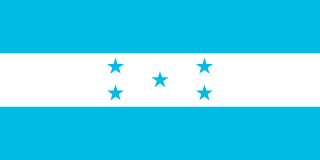
Discover
The identity of the nation
Honduras is a mountainous country in Central America, home to about 10 million people, with its capital, Tegucigalpa, set in the highlands of the interior. Most people speak Spanish, a legacy of nearly three centuries of colonial rule, but the cultural heart blends Maya, Spanish and African roots, the latter still very much alive along the Caribbean coast.
It is a nation of deep and rapidly changing faith. For centuries Catholicism was the dominant religion, but in recent decades the Honduran people have lived through one of the most intense evangelical revivals in Latin America, and today evangelicals already rival Catholics in number. Churches are everywhere, from the big cities to remote villages, and prayer is part of everyday life.
At the same time, Honduras carries deep wounds: poverty affects a large share of the population, gang and drug trafficking violence has scarred cities like San Pedro Sula, and migration has emptied entire communities in search of a future to the north. Many households are held together by mothers and grandmothers while fathers and children head for the United States.
On the mission field, the challenge is no longer the absence of churches, but their depth. There is a hunger for solid discipleship, trained leaders and a faith that confronts corruption, fear and the blending of religions. Indigenous peoples such as the Lenca, Miskito, Tawahka, Pech and the Afro-descendant Garifuna still need the Scriptures and the gospel in their own language and culture.
Honduras is, then, a nation where God is already moving powerfully and where much still remains to be done: a warm, resilient and believing people, called to move from a numerous faith to a mature faith, and to carry light to the most forgotten communities of the mountains and the coast.
- Before colonization, Maya peoples flourished in the west; Copán was one of the great centers of Classic Maya civilization.
- 1502 Christopher Columbus reaches the coast, at what are now the Bay Islands.
- 1536 Pedro de Alvarado consolidates the Spanish conquest, beginning the colonial era of mining and cattle ranching.
- 1821 Honduras declares independence from Spain on September 15.
- 1823 Joins the United Provinces of Central America.
- 1838 Becomes a fully independent republic.
- 20th century The banana economy attracts foreign companies and shapes the country's politics.
- 1969 Brief conflict with El Salvador, known as the Hundred Hours' War.
- 1998 Hurricane Mitch devastates the country and kills thousands of people.
- 2009 Political crisis with the removal of President Manuel Zelaya.
- Today A majority Christian nation, marked by evangelical revival, poverty, migration and gang violence.
-
Spanishofficial, spoken by nearly the entire population
-
Indigenous languagesMiskito, Lenca, Tawahka, Pech and Tol, spoken by native peoples
-
GarifunaAfro-indigenous language of the Caribbean coast, a Garifuna heritage
-
Creole Englishspoken on the Bay Islands, in Honduras's Caribbean
Honduras occupies the heart of Central America, bordering Guatemala, El Salvador and Nicaragua, with a long coastline on the Caribbean Sea to the north and a small outlet to the Pacific at the Gulf of Fonseca to the south. The terrain is predominantly mountainous, with fertile valleys inland, tropical plains along the northern coast, and the vast forest and wetland region of the Mosquitia to the east.
Major cities
- TegucigalpaCapital, set in the mountains of the interior
- San Pedro SulaThe country's largest industrial and commercial hub
- La CeibaCaribbean port, gateway to the Bay Islands
- CholutecaMain city of the south, near the Pacific
- Copán RuinasTown beside the famous Maya ruins of Copán
Climate and temperature
Baleada
Folded wheat-flour tortilla with refried beans, cream and cheese, the country's most beloved street food.
Tapado
Caribbean stew of meat or fish with plantain and coconut milk, typical of the northern coast.
Catrachitas
Fried corn tortillas topped with refried beans and grated cheese, a traditional snack.
Plato típico
A full plate with grilled meat, rice, beans, fried plantain, cheese and tortillas.
Sopa de caracol
Creamy conch soup with coconut milk and cassava, a delicacy of the Caribbean coast.
Honduran chocolate
Made from fine local cacao, a Maya legacy much prized in the Copán region.
Understand
Culture and spirituality
2a · The culture
Warmth and hospitality
Hondurans are welcoming and value closeness, conversation and an invitation to the table.
Family at the center
Strong family ties sustain social life, even with so many households split by migration.
Faith present in daily life
Religion, whether Catholic or evangelical, permeates festivals, decisions and everyday language.
Attachment to the land
Coffee, bananas and rural life shape the identity of much of the people.
Ethnic diversity
Maya from Copán, Lenca, Miskito, Garifuna and mestizos form a rich cultural mosaic.
Passion for soccer
The national team, the Bicolor, unites the country around a shared hope.
- Treating poverty with pity or superiority Dignity and partnership matter more than charity.
- Ignoring the reality of violence Learn about safe areas without reducing the country to crime headlines.
- Confusing Honduras with other countries Each Central American nation has its own history and identity.
- Being cold or rushed The people value a warm greeting and time devoted to the person.
- Dismissing indigenous and Garifuna cultures They are a living part of the nation, not folklore from the past.
2b · The field
Areas of spiritual battle and cultural captivity to cover in prayer. Tap each point to understand:
Criminal groups extort communities and threaten leaders, spreading fear.
Distrust in institutions erodes justice and families' future.
Lack of opportunity pushes multitudes to the margins and to migration.
Popular practices and ancestral beliefs sometimes blend with the Christian faith.
The numerical growth of churches is not always matched by discipleship.
The mass exodus toward the north fragments families and communities.
Drug routes fuel violence, illicit money and the seizure of territories.
Cultural patterns that harm women's dignity and the unity of the home.
Distances between city and countryside, rich and poor, hinder fellowship.
Many young people grow up with no prospect of study or work.
In Honduras, persecution of Christians does not come from the State or another religion, but chiefly from organized crime. Church leaders who oppose the recruitment of young people, speak out against violence or challenge gangs’ influence over neighborhoods become targets of threats, extortion and, in extreme cases, murder.
Churches in territories controlled by criminal groups face pressure to pay protection money, limit their activities or stay silent. Pastors who welcome former gang members, or who stand up for families and youth, put their own lives at risk. In many communities, it is precisely Christian leaders who maintain the closest contact with gangs and carry out delicate mediation.
Formal religious freedom is broad and the Christian faith is majority and visible, but everyday violence and the fragility of the State in certain regions make the courageous practice of faith an act of risk. Praying for the protection of God’s servants and for the courage of the churches is an essential part of caring for this nation.
The persecution score runs from 0 to 100: the higher it is, the greater the pressure on Christians.
Honduras is a majority Christian nation, but it still holds peoples who need the gospel in their own language and culture. Indigenous communities such as the Lenca, Miskito, Tawahka, Pech and Tol, along with the Afro-descendant Garifuna of the Caribbean coast, keep their own identity and language. There are still communities where the Scriptures are not fully available in their mother tongue, and the greatest challenge is bringing these cultures a gospel that reaches them with depth and respect.
- 40K Unreached 0,4%
- 0 Minimally reached 0%
- 0 Superficially reached 0%
- 414K Partially reached 3,8%
- 10.4M Significantly reached 95,8%
- 1 Unreached 5,3%
- 1 Minimally reached 5,3%
- 0 Superficially reached 0%
- 9 Partially reached 47,4%
- 8 Significantly reached 42,1%
Source of people group data: Joshua Project (joshuaproject.net). Estimates, may vary.
Árabe Palestino
Deaf Frontier
Cantonês
Source: Joshua Project. Estimates, may vary.
Pray
Intercede for this nation
Every nation carries a redemptive purpose. Marks that seem woven into the identity God desires to restore:
Go
Practical details for those who want to go
Local time
Cost of living
one of the lowest in the Americas
Cost by city
Reference values (source: Numbeo). Confirm before traveling.
Practical points for those who go
- Learn Spanish: English is rarely spoken outside the Bay Islands and tourist areas.
- Be mindful of safety in large cities; learn about neighborhoods and avoid displaying valuables.
- The local currency is the lempira (HNL); carry cash outside the major centers.
- The climate varies with altitude: bring a light jacket for Tegucigalpa and cool clothing for the coast.
- Respect and value indigenous and Garifuna cultures, a living part of the national identity.
Send and sustain
Not everyone goes, everyone takes part
Not everyone goes. Everyone takes part.
Behind every worker among these peoples stands a network of people who pray without ceasing, care for the family left behind, and faithfully sustain the work. Sending is mission too.
Start with your church: introduce this nation, adopt it in ongoing prayer, and walk alongside those God is raising up to go.