Conheça
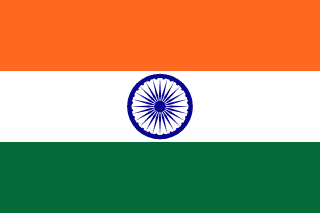
A identidade da nação
India is the most populous country in the world, with about 1.4 billion people, and holds one of the largest concentrations of unreached peoples on earth. It is a nation of astonishing diversity: hundreds of languages, thousands of ethnic groups, and a religious mosaic where Hinduism, professed by about 80% of the population, coexists with significant Muslim, Christian, Sikh, Buddhist, and Jain minorities.
Christianity in India is ancient: tradition traces its arrival to the apostle Thomas in the first century, and Christian communities have existed for almost two thousand years in the south of the country. Today Christians make up about 2% of the population, a small minority in percentage terms, but one that still represents tens of millions of people.
The great missionary challenge lies in scale and social structure. More than two thousand people groups remain unreached, many bound by barriers of caste, language, and religious tradition. More than a hundred languages still have no Bible, and vast regions of the north and interior remain with minimal Christian presence.
Pressure on Christians has grown in recent years, driven by religious nationalism and by laws that restrict conversion in several states. Believers of Hindu background, especially in villages, face hostility from their own community, and the Indian church lives with moments of violence and marginalization.
Even so, India is a nation of deep faith and spiritual hunger. There are signs of revival amid persecution, communities growing among the peoples of the lower castes (hereditary social layers of the Hindu tradition), and a vigorous indigenous church. It is, at once, one of the greatest fields of need and one of the greatest spiritual opportunities on the planet.
- 3300 BC The Indus Valley civilization flourishes, one of the oldest in the world, with planned cities.
- 1500 BC Vedic period: the arrival of Aryan peoples and the formation of the foundations of Hinduism.
- 563 BC Siddhartha Gautama, the Buddha, is born; Buddhism and Jainism arise on the subcontinent.
- 320 AD The Gupta Empire ushers in a golden age in science, mathematics, and the arts.
- 1526 Babur founds the Mughal Empire, which under Akbar and Shah Jahan rules much of the subcontinent.
- 1757 British victory at Plassey: the East India Company takes control of Bengal.
- 1858 After the revolt of 1857, the British Crown takes over direct rule of India.
- 1947 Independence from British rule; partition creates India and Pakistan amid violence and millions displaced.
- 1950 India becomes a republic, with New Delhi as capital and Nehru as prime minister.
- Today The most populous country in the world, Hindu majority, with thousands of peoples still unreached.
-
Hindiofficial, spoken by about 44% of the population
-
Englishassociate official language, common in business and government
-
Regional languagesthe Constitution recognizes 22 languages, including Bengali, Telugu, Marathi and Tamil
-
Linguistic diversitymore than 120 languages spoken and hundreds of dialects
India is a vast subcontinent stretching from the peaks of the Himalayas in the north to the plains of the Ganges and the tropical beaches of the south. It holds deserts, forests, the Ganges delta, and a long coastline between the Arabian Sea and the Bay of Bengal.
Principais cidades
- New DelhiCapital, the country's political center
- MumbaiLargest city, financial and film hub
- BengaluruTechnology hub, India's "Silicon Valley"
- KolkataHistoric and cultural city in the east
- ChennaiMajor hub of the south, on the coast
- VaranasiSacred city of Hinduism, on the banks of the Ganges
Clima e temperatura
Biryani
Fragrant rice cooked in layers with spices, meat or vegetables, a legacy of Mughal cuisine.
Dal
Seasoned lentil stew, a daily staple across almost the whole country.
Samosa
Fried triangular pastry, filled with potato and peas with spices.
Dosa
Thin, crispy pancake of fermented rice and lentils, typical of the south.
Curry
Dishes in a seasoned curry sauce, served with rice or Indian bread.
Naan and chapati
Flatbreads served with almost every meal.
Masala chai
Black tea boiled with milk, sugar and spices, the national drink.
Entenda
Cultura e espiritualidade
2a · A cultura
Religion at the center of life
Faith permeates daily life, from festivals to rituals and food.
Caste system
Ancient social structures still shape marriage, work, and relationships.
Extended family
Several generations live together; decisions are made jointly.
Sacred hospitality
Guests are treated with honor, according to the saying "the guest is like God."
Regional diversity
Each state has its own language, food, dress, and traditions.
Colorful festivals
Celebrations such as Diwali and Holi mark the calendar and unite communities.
- Using the left hand to eat or hand something over It is considered impure in many regions.
- Touching someone's head The head is seen as the most sacred part of the body.
- Disrespecting temples and symbols Remove your shoes and dress modestly in sacred places.
- Eating beef without care The cow is sacred to Hindus; the subject is sensitive.
- Public displays of affection They are frowned upon in much of the country.
- Ignoring hierarchy and age Respect for elders and authorities is highly valued.
2b · O campo
Áreas de batalha espiritual e cativeiro cultural a serem cobertas em oração. Toque em cada ponto para entender:
Worship of thousands of gods and images keeps multitudes far from the one living God.
Social division wounds human dignity and hinders unity in the body of Christ.
The idea that being Indian means being Hindu marginalizes and pressures minority faiths.
The weight of fate and cycles of rebirth robs people of the hope of grace and forgiveness.
The search for signs, mantras, and spiritual powers imprisons hearts.
Fear of entities and curses governs everyday decisions and practices.
The rapid enrichment of a few contrasts with the poverty of millions.
Deep rooted dishonesty erodes trust and justice.
Child marriage, dowry, and abuse still wound the dignity of women.
Dalits remain marginalized, seen as impure by birth.
Tensions among peoples and regions weaken the nation and the church.
Hindu practices creep into the faith of new believers, diluting the gospel.
Persecution of Christians in India is severe and has grown in recent years, driven by religious nationalism. The violence index has reached historically high levels, and the country leads the world in the number of Christians detained, arrested, or interrogated without trial.
Much of the pressure comes from community life itself. In many villages, those who leave Hinduism to follow Christ face hostility from family and neighbors, threats, assaults, and social exclusion. Worship services are disrupted and Christian churches are attacked.
Several states have adopted anti-conversion laws that, in practice, criminalize Christian activities and open the door to false accusations. Believers of Hindu background and those from lower castes, such as the Dalits, are among the most vulnerable. Even so, the Indian church remains steadfast and, in many places, is growing amid trial.
O score de perseguição vai de 0 a 100: quanto maior, maior a pressão sobre os cristãos.
India holds more than two thousand unreached people groups, the largest number in the world. Barriers of caste, language, and religious tradition make outreach especially difficult, and more than a hundred languages still have no portion of the Bible. Even with ancient Christian communities in the south, vast regions of the north and interior remain with minimal evangelical presence.
- 1,4 bi Não alcançado 95,9%
- 25,9 mi Pouco alcançado 1,8%
- 23,1 mi Superficialmente alcançado 1,6%
- 7,5 mi Parcialmente alcançado 0,5%
- 3,8 mi Significativamente alcançado 0,3%
- 2 mil Não alcançado 89,8%
- 101 Pouco alcançado 4,5%
- 127 Superficialmente alcançado 5,6%
- 1 Parcialmente alcançado 0%
- 1 Significativamente alcançado 0%
Fonte dos dados de povos: Joshua Project (joshuaproject.net). Estimativas, podem variar.
Thakuria Fronteira
Saryara muçulmano Fronteira
Sahisia Fronteira
Sonar hindu Fronteira
Tanti hindu Fronteira
Urali
Yatala Fronteira
Fonte: Joshua Project. Estimativas, podem variar.
Ore
Interceda por esta nação
Cada nação carrega um propósito redentor. Marcas que parecem fazer parte da identidade que Deus deseja restaurar:
Vá
Logística para quem deseja ir
Horário local
Custo de vida
varies greatly between big cities and the interior
Custo nas cidades
Valores de referência (base: Numbeo). Confirme antes de viajar.
Pontos práticos para quem vai
- Learn a few words in Hindi or the local language: it opens doors and shows respect.
- English helps a lot in cities and professional settings.
- Dress modestly, especially in temples and rural areas.
- Be careful with water and street food: prefer bottled water and well cooked food.
- Traffic is chaotic; agree on the price of taxis and rickshaws before boarding.
- Heat and the monsoon require planning; avoid the peak of summer in the north.
- Mobile payments (UPI) are widely used, but carry cash as well.
- Distances and crowds are enormous; allow time for travel.
- Handle the subject of religion and caste with sensitivity and a listening ear.
- Respect dietary customs: many people are vegetarian by conviction.
Envie e sustente
Nem todos vão, todos participam
Nem todos vão. Todos participam.
Por trás de cada obreiro entre estes povos existe uma rede de gente que ora sem parar, cuida da família que ficou e sustenta o trabalho com fidelidade. Enviar também é missão.
Comece pela sua igreja: apresente esta nação, adote-a em oração contínua e caminhe junto de quem Deus está levantando para ir.