Conheça
A identidade da nação
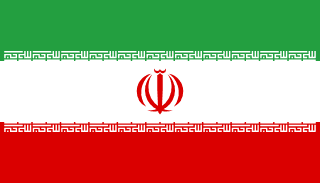
Iran is one of the oldest civilizations in the world, heir to the vast Persian Empire that shaped art, science and philosophy for millennia. With more than 92 million people, it is a country of enormous ethnic diversity: Persians, Azerbaijanis, Kurds, Arabs and dozens of other peoples live together across a land of mountains, deserts and fertile coasts. Tehran, its capital, is a metropolis of 16 million people that blends modernity and tradition at its own pace.
Shia Islam has been the backbone of the state since the 1979 Revolution, but the Iranian people carry much deeper layers of identity: the poetry of Rumi and Hafez, the Persian New Year (Nowruz), and a proverbial hospitality that receives the visitor as a gift from God. Beneath the official narrative, a young, connected generation seeks expression, dignity and freedom.
The Christian presence in Iran is small in number, about 1.8% of the population, but it is growing remarkably among converts from Islam. This growth happens mainly in domestic and informal settings, away from public visibility, in one of the countries with the highest religious persecution score in the world. The Iranian church is young, courageous and deeply dependent on God.
Iran is also a nation of unreached peoples: 85 of the country’s 91 people groups still lack effective access to the gospel. Azerbaijanis, Kurds, Baloch, Turkmens and dozens of other ethnic groups await messengers of the good news in their own languages and cultures. With 55 languages still without a translated Bible, the linguistic challenge is immense.
God has not forgotten Iran. On the contrary, reports of dreams and visions of Jesus among Iranians have multiplied, and there is a growing movement of faith even under severe persecution. The Persian people have a deeply spiritual heart and a long tradition of seeking the sacred; when they encounter Christ, they tend to follow him with a depth and a cost that few churches in the world know.
- The Elamite civilization flourishes on the Iranian plateau, one of the oldest in the world.
- 550 BC Cyrus the Great founds the Persian Achaemenid Empire, the largest of the ancient world.
- 331 BC Alexander the Great conquers Persia, ending Achaemenid rule.
- 224 AD The Sassanid Empire arises, establishing Zoroastrianism as the official religion.
- 651 Arab conquest; Islam replaces Zoroastrianism as the predominant religion.
- 10th-11th c. Islamic Golden Age: Avicenna, Omar Khayyam and other Persians lead science and philosophy.
- 1501 Shah Ismail I founds the Safavid Empire and establishes Shia Islam as the state religion.
- 1906 Constitutional Revolution: Iran gains its first parliament.
- 1935 The country officially changes its name from Persia to Iran.
- 1979 Islamic Revolution: Ayatollah Khomeini overthrows the Shah and proclaims the Islamic Republic.
- 1980-1988 Iran-Iraq War, with more than a million deaths on both sides.
- Today A country with a high rate of Christian growth among converts from Islam, under intense pressure from the state.
-
Persian (Farsi)Official language, spoken by about 55% of the population as a mother tongue and understood by the vast majority
-
Azerbaijani (Azeri Turkish)Spoken by about 24% of the population, mainly in the northwest
-
KurdishSpoken by about 10% of the population in the western regions
-
Luri and BakhtiariIranian language groups of the southwest
-
ArabicSpoken by communities in Khuzestan, in the country's southwest
-
BalochSpoken in the southeast, in Sistan and Baluchestan province
Iran covers a territory of 1.6 million km², making it one of the largest countries in Asia. The heart of the country is the Iranian Plateau, surrounded by mountain ranges such as the Alborz to the north, home to Mount Damavand (5,671 m), the highest peak in the Middle East, and the Zagros to the west. The interior is dominated by two great deserts: the Dasht-e Kavir and the Dasht-e Lut. The north borders the Caspian Sea and the south the Persian Gulf and the Gulf of Oman.
Principais cidades
- TehranFederal capital and largest city, with 16 million in the metropolitan area, political, economic and cultural center
- MashhadSecond largest city, an important Shia pilgrimage center with the Shrine of Imam Reza
- IsfahanFormer Safavid capital, UNESCO World Heritage site, famous for its Islamic architecture
- TabrizCapital of Iranian Azerbaijan, commercial center of the northwest
- ShirazCity of poetry and gardens, birthplace of Hafez and Saadi, gateway to Persepolis
- QomThe world's leading center of Shia Islamic studies
- AhvazCenter of the oil industry, capital of Khuzestan
Clima e temperatura
Chelo Kebab
White rice with ground or fillet meat kebab, Iran's national dish, served with grilled tomato and butter.
Ghormeh Sabzi
Fresh herb stew with beans and lamb, considered the most beloved dish among Iranians.
Fesenjan
Pomegranate and walnut stew with chicken or duck, sweet and sour in flavor and dark in color, typical of the north of the country.
Ash Reshteh
Thick soup of noodles, herbs, beans and whey cream, served especially at the Persian New Year.
Zereshk Polo Morgh
Chicken cooked with rice seasoned with barberries (zereshk), saffron and butter, a festive classic.
Koofteh Tabrizi
Giant meatballs stuffed with boiled eggs, dried fruit and herbs, a specialty of Tabriz.
Entenda
Cultura e espiritualidade
2a · A cultura
Ta'arof: the art of courtesy
Ta'arof is an elaborate system of politeness in which ceremonially declining and offering is a fundamental part of social interactions; accepting immediately can seem rude.
Hospitality as a sacred duty
The Iranian host offers the visitor the best they have, regardless of their financial situation. "The guest is a gift from God" is said and lived out sincerely.
Nowruz, the Persian New Year
Celebrated at the spring equinox (March 21) for more than 3,000 years, it is the most important celebration on the Iranian calendar: two weeks of visits, the Haft-Seen table and family renewal.
Family as the center of life
Important decisions go through the family unit; respect for elders and care for relatives are values rooted since childhood.
Poetry in everyday life
Verses by Hafez and Rumi are quoted in daily conversations, at celebrations and moments of counsel; the Persian poetic tradition is alive and popular across all social classes.
Pride in Persian identity
The heritage of the Achaemenid Empire, medieval Islamic sciences and Persian art produces a deep sense of cultural identity that transcends politics.
- Public displays of affection between couples Not accepted and may draw the attention of authorities
- Criticizing the government or Islam in public spaces The political environment is monitored and comments can have serious consequences
- Abruptly refusing hospitality Declining an invitation or an offer without ceremony can deeply offend
- Clothing that does not respect the local dress code Women must cover their hair and wear loose clothing; respecting the norms is necessary
- Photographing military, government or religious facilities without permission May be interpreted as espionage
- Using the left hand to greet or hand over objects Considered impolite in traditional settings
2b · O campo
Áreas de batalha espiritual e cativeiro cultural a serem cobertas em oração. Toque em cada ponto para entender:
Religion is imposed as law by the state, making it hard to distinguish genuine faith from forced conformity.
Christians who come from Islam face imprisonment, job loss, family pressure and threats to their safety.
Popular Sufi practices blend Islamic spirituality with elements that divert from the pursuit of the living Christ.
Persian identity can be a barrier to the gospel when the Christian faith is perceived as a foreign or Western religion.
Tensions between ethnic groups (Persians, Azerbaijanis, Kurds, Arabs, Baloch) hinder unity in the body of Christ.
Cultural pressure on men to preserve family honor can prevent decisions of faith and generate domestic violence.
Decades of foreign interference make Iranians distrustful of messages coming from abroad.
Oil revenue concentrates power in few hands, fueling systemic corruption and inequality.
Economic instability pushes young people toward nihilism or mass emigration.
Legal structures that subordinate women perpetuate injustices that cry out for redemption.
Azerbaijanis, Baloch, Kurds and Turkmens often live without access to the gospel in their own languages.
Iran ranks 10th on Open Doors’ 2026 World Watch List, with a score of 87 out of 100, placing it among the most dangerous countries in the world to be a Christian. Persecution is driven mainly by the Islamic state, which treats conversion from Islam to Christianity as a threat to national security.
Christians converted from Islam are the most vulnerable. They face arrest, trial by revolutionary courts, charges of “acting against national security” and long sentences. House church pastors are regularly detained, and house meetings are monitored and raided. After the 2025 Israel-Iran war, authorities stepped up arrests, accusing converts of collaborating with the enemy: in a single month after the ceasefire, 54 Christians were detained in 19 different cities.
The pressure does not come from the state alone. Muslim families often reject, threaten or expel members who convert. Job loss, forced divorce, violence and social ostracism are common realities for new believers. Even so, reports of dreams of Jesus and the growth of house churches keep coming in from across the country.
Ethnic Armenian and Assyrian Christians have recognized legal status, but they also face severe restrictions: they cannot evangelize Muslims, their children cannot attend their churches, and their movements are constantly monitored. Freedom of religious practice exists only within very narrow walls.
O score de perseguição vai de 0 a 100: quanto maior, maior a pressão sobre os cristãos.
Iran is home to 91 distinct people groups, of which 85 (93.4%) are classified as unreached by the gospel, representing 99.5% of the country's population. Besides the Persians, who make up the largest group, the country has Azerbaijani groups (about 18 million), Kurds (about 8 million), Arabs (about 3 million), Baloch (about 2 million), Turkmens and dozens of others. Iran has 55 languages without a translated Bible, making translation work an urgent need. Evangelical Christians make up only 1.2% of the population, concentrated mainly among converts from Islam.
- 91,8 mi Não alcançado 99,5%
- 0 Pouco alcançado 0%
- 106 mil Superficialmente alcançado 0,1%
- 355 mil Parcialmente alcançado 0,4%
- 20 mil Significativamente alcançado 0%
- 85 Não alcançado 93,4%
- 0 Pouco alcançado 0%
- 4 Superficialmente alcançado 4,4%
- 1 Parcialmente alcançado 1,1%
- 1 Significativamente alcançado 1,1%
Fonte dos dados de povos: Joshua Project (joshuaproject.net). Estimativas, podem variar.
Khorasani Turk Fronteira
Luri do Sul Fronteira
Mamasani Fronteira
Brahui kur galli Fronteira
Fars, Southwestern Fronteira
Talysh Fronteira
Karakalpak de Chapéu Preto
Fonte: Joshua Project. Estimativas, podem variar.
Ore
Interceda por esta nação
Cada nação carrega um propósito redentor. Marcas que parecem fazer parte da identidade que Deus deseja restaurar:
Vá
Logística para quem deseja ir
Horário local
Custo de vida
rial hyperinflation affects local purchasing power
Custo nas cidades
Valores de referência (base: Numbeo). Confirme antes de viajar.
Pontos práticos para quem vai
- Women must wear a hijab (headscarf covering the hair) in all public spaces; clothing covering the arms and legs is mandatory.
- The Iranian rial devalues quickly; bring dollars or euros in cash, as international cards do not work because of sanctions.
- VPNs are widely used by the population to access blocked social media; install one before arriving, as downloading it can be difficult inside the country.
- Do not photograph military installations, government facilities or security structures to avoid serious situations.
- Domestic transport is well developed: intercity buses, trains and domestic flights connect the main cities at affordable prices.
- The Persian language uses the Arabic script; learning a few words in Farsi opens doors and hearts remarkably.
- Iranian hospitality is genuine: accept invitations for tea and meals with gratitude; refusing can be seen as an offense.
Envie e sustente
Nem todos vão, todos participam
Nem todos vão. Todos participam.
Por trás de cada obreiro entre estes povos existe uma rede de gente que ora sem parar, cuida da família que ficou e sustenta o trabalho com fidelidade. Enviar também é missão.
Comece pela sua igreja: apresente esta nação, adote-a em oração contínua e caminhe junto de quem Deus está levantando para ir.