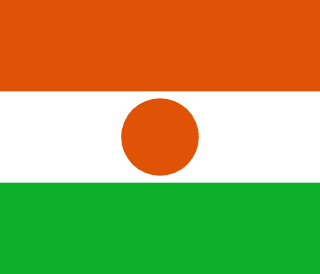
Discover
The identity of the nation
Niger is a vast, largely desert country at the heart of West Africa, watered by the Niger River and home to peoples such as the Hausa, Zarma, Fulani, Tuareg and Kanuri. Though it ranks among the poorest nations in the world, its people are known for hospitality, perseverance through drought, and a rich oral tradition passed down from generation to generation.
Islamic faith shapes almost all social life in the country: more than 98% of the population is Muslim, largely practiced through Sufi brotherhoods that guide everything from festivals to family decisions. Being a Christian in this context usually means being born into one of the small historic communities in the south, since leaving Islam to follow Jesus remains rare and socially costly.
Christianity arrived in Niger just over a century ago, and the church remains small, young, and concentrated in a few cities such as Niamey, Maradi and Zinder. Even so, a small but faithful number of Nigerien disciples is growing, including native leaders who now care for their own communities, even amid social pressure and the country’s instability.
Since the 2023 military coup, Niger has lived under a transitional government, facing at once an insurgency by extremist groups in the Sahel, recurring droughts, and one of the lowest development rates in the world. In this difficult setting, the country is also a strategic gateway for the gospel among nomadic peoples still without contact with the church in the heart of the desert.
Praying for Niger means praying for a people accustomed to enduring hunger, drought, war and the distance between cultures. It means asking that the same perseverance that marks its history also become fertile ground for the gospel to flourish among the Hausa, Tuareg, Fulani and so many other peoples still waiting for a first testimony of Christ in their own language and culture.
- Territory inhabited by kingdoms and empires such as the Songhai, Hausa sultanates and Kanem-Bornu.
- 11th century Islam reaches the region via trans-Saharan trade routes and begins spreading among local peoples.
- 1922 The territory becomes a French colony, integrated into French West Africa.
- 1960 Independence from France, with Hamani Diori as the country's first president.
- 1974 Military coup led by Seyni Kountché, amid a severe drought affecting the whole Sahel.
- 1993 First multiparty elections following the country's democratization.
- 1996 New military coup interrupts the democratic process.
- 1999 Military coup ends with the death of the sitting president.
- 2010 Coup overthrows the president who was trying to extend his term beyond the constitutional limit.
- 2023 Military coup ousts the elected president; a junta takes power in the country.
- Today Country under a transitional military government, facing an armed group insurgency in the Sahel and ranking among the poorest in the world.
-
Hausaofficial language since 2025, spoken by nearly half the population, dominant in the center and east
-
Zarma-Songhaisecond most widely spoken language, predominant in the capital Niamey and in the west of the country
-
Fulfulde (Fulani)spoken by the Fulani, a traditionally pastoral and nomadic people spread across several regions
-
Tamasheqlanguage of the Tuareg, a nomadic people of the northern desert
-
Kanurispoken in the far east, near Lake Chad
-
Frenchlanguage inherited from colonization, still used in public administration and higher education
Niger is a landlocked country at the heart of West Africa, crossed in the south by the Niger River, its main source of water and life. About three quarters of the territory lies within the Sahara Desert to the north, while the central strip belongs to the Sahel, a semi-arid transition region between the desert and the greener savannas of the south. It is one of the hottest countries in the world, with landscapes ranging from vast sand dunes to the mountains of the Aïr Massif.
Major cities
- NiameyCapital and largest city in the country, on the banks of the Niger River
- ZinderSecond-largest city, former capital of a Hausa sultanate
- MaradiMain commercial and agricultural hub in the south of the country
- AgadezHistoric city at the gateway to the desert, a former meeting point for trans-Saharan caravans
- TahouaRegional center in the west, where Hausa, Fulani and Tuareg live side by side
Climate and temperature
Tuwo
Thick porridge made from millet or cassava, served with peanut, okra or baobab-leaf sauces.
Kilishi
Thinly sliced beef, seasoned with spices and ground peanuts, sun-dried and then grilled.
Dambou
Green leaves, such as moringa, steamed with millet or rice, served on festive occasions.
Riz gras
Rice cooked with meat, vegetables and seasonings, one of the most popular dishes at parties and weddings.
Fura da nono
Balls of fermented millet mashed into sour milk, a traditional refreshing drink of the Fulani and Hausa.
Dan wake
Cooked black-eyed pea balls, served with tomato sauce and palm oil.
Understand
Culture and spirituality
2a · The culture
Desert hospitality
Welcoming those who arrive is a sacred value among Niger's nomadic and settled peoples alike.
Life centered on livestock
For the Fulani, Tuareg and Arabs, herds are a source of identity, not just livelihood.
Respect for elders
Family and community decisions pass through the elders, whose word carries great weight.
Popular Islam and brotherhoods
Muslim faith is lived in community, tied to Sufi brotherhoods that guide spiritual life.
Griots and oral tradition
Storytellers and musicians preserve the memory of the peoples and pass on values to new generations.
Markets as gathering places
Far beyond commerce, the market is where news is exchanged and relationships are cultivated.
- Using the left hand to eat or hand something over Considered unclean in much of the local Muslim culture.
- Photographing people without asking permission Many consider this invasive, especially women and religious leaders.
- Wearing short or tight clothing Modesty in dress is valued and shows respect for local customs.
- Talking about religion bluntly or hastily Faith is a serious matter that calls for listening before any word.
- Refusing offered food or tea Hospitality is sacred; refusing can come across as contempt.
- Reducing the people to drought and poverty Niger faces real challenges, but its people have dignity, creativity and resilience far beyond that.
2b · The field
Areas of spiritual battle and cultural captivity to cover in prayer. Tap each point to understand:
Folk healing practices and amulets blend with popular Islam, keeping the people bound to old spiritual fears.
Leaving Islam is seen as betraying one's own ethnicity and family, not merely changing religion.
Armed groups spread fear and violence across the Sahel, closing off access to the gospel even further.
One of the poorest countries in the world, recurring hunger and drought wear down entire families.
Successive military coups erode trust in institutions and delay development.
Girls are still given in marriage very young, losing their education and childhood.
Nomadic communities in the north live far from any Christian witness.
The Nigerien church is small and has few leaders prepared to disciple and plant new communities.
Those who convert to Christ face a real risk of being cast out of home.
High illiteracy rates make direct access to Scripture difficult.
Being a Christian in Niger, especially coming from a Muslim family, means living under constant pressure from one’s own community. Conversion is seen as betrayal of ethnicity and family, and those who decide to follow Jesus face a real risk of being cast out of home, losing their inheritance, or being pressured to return to Islam. Women converts face even greater risk, potentially losing custody of their children or being forced to marry a Muslim man.
In the north and east of the country, armed groups linked to Boko Haram, the Islamic State in the Greater Sahara, and factions of Al-Qaeda in the Islamic Maghreb attack villages, including Christian communities, and keep entire regions isolated from any church presence. The 2023 military coup deepened instability and brought even more uncertainty about religious freedom in the country.
Historic Christian communities, present for decades in cities such as Niamey, Maradi and Zinder, are still able to gather and live out their faith with more freedom than converts from Islam, but they remain a small, vulnerable minority, closely watched by neighbors and local authorities.
The persecution score runs from 0 to 100: the higher it is, the greater the pressure on Christians.
Niger brings together dozens of distinct peoples, most of them still without a church established in their own language and culture. Groups such as the Hausa, Zarma, Fulani, Tuareg and Kanuri make up nearly the entire population, and nearly all are majority Muslim, with very few disciples of Jesus among them. The desert's nomadic peoples, such as the Tuareg, are among the least reached by the gospel in the entire world.
- 27M Unreached 98,2%
- 268K Minimally reached 1%
- 8K Superficially reached 0%
- 219K Partially reached 0,8%
- 0 Significantly reached 0%
- 30 Unreached 83,3%
- 2 Minimally reached 5,6%
- 1 Superficially reached 2,8%
- 3 Partially reached 8,3%
- 0 Significantly reached 0%
Source of people group data: Joshua Project (joshuaproject.net). Estimates, may vary.
Tubu teda Frontier
Tuaregue arabizado Frontier
Fulani gurmanche
Kanuri Tumari Frontier
Dendi dandawa Frontier
Diffa Arab, Mahamid Frontier
Fulani, West Niger Frontier
Source: Joshua Project. Estimates, may vary.
Pray
Intercede for this nation
Every nation carries a redemptive purpose. Marks that seem woven into the identity God desires to restore:
Go
Practical details for those who want to go
Local time
Cost of living
one of the cheapest in the world, but the population's average income is also among the lowest
Cost by city
Reference values (source: Numbeo). Confirm before traveling.
Practical points for those who go
- Learn a few words in Hausa or French: English is rarely spoken day to day.
- Dress modestly, covering arms and legs, to respect local customs.
- Bring protection against extreme heat: a hat, sunscreen and plenty of water.
- Pay attention to security warnings in border areas, because of armed groups in the Sahel.
- Accept tea when offered as a sign of hospitality; refusing can seem impolite.
- Adjust to a slower pace: haste and impatience are not well regarded.
- Bring cash: cards are rarely accepted outside Niamey; the local currency is the CFA franc (XOF).
- Watch your water and food: drink treated or bottled water and bring basic travel medicine.
Send and sustain
Not everyone goes, everyone takes part
Not everyone goes. Everyone takes part.
Behind every worker among these peoples stands a network of people who pray without ceasing, care for the family left behind, and faithfully sustain the work. Sending is mission too.
Start with your church: introduce this nation, adopt it in ongoing prayer, and walk alongside those God is raising up to go.