Discover
The identity of the nation
Kyrgyzstan is a young, mountainous nation in the heart of Central Asia, located between Kazakhstan, China, Tajikistan and Uzbekistan. About ninety percent of the territory is covered by the Tian Shan mountain ranges, and the life of the people has always been shaped by nomadism, the horse and high-altitude pastures.
Kyrgyz identity springs from the steppe (the vast treeless plain of grasslands) and the mountains: the yurt (the round felt tent of the nomads), the Epic of Manas (the long heroic poem that tells the people’s origins and is regarded as the soul of the nation), hospitality and respect for elders shape the Kyrgyz way of life. After centuries under empires and khanates (realms ruled by a khan, the title of the ancient Turkic-Mongol sovereigns) and seventy years of Soviet rule, the country became independent in 1991 and has since sought its way through revolutions, hope and instability.
The great majority of the Kyrgyz are Sunni Muslims, but everyday faith blends with pre-Islamic beliefs, ancestor worship and shamanic practices. For many, to be Kyrgyz is to be Muslim, and this bond between ethnicity and religion makes the decision to follow Jesus socially costly.
The local church is small, young and fragile. Less than four percent of the population identifies as Christian, largely Russian Orthodox in the cities, and evangelicals number less than one percent. In the mountains and the southern valleys, entire peoples remain without access to the gospel in their own language.
Even so, the warm hospitality, the openness of the cities and the resilience of a people accustomed to the heights are doors God can open. Kyrgyzstan is a nation to know, to understand and, above all, to intercede for.
- Antiquity Nomadic peoples and Scythians inhabit the Tian Shan; the Silk Road crosses the territory.
- 840 The Kyrgyz, coming from the Yenisei region, expand their power in Central Asia.
- 18th-19th centuries The region falls under the rule of the Khanate of Kokand.
- 1876 The Russian Empire annexes the Kyrgyz territory.
- 1916 The Urkun revolt against Russian conscription ends in massacre and flight to China.
- 1936 The Kirghiz Soviet Socialist Republic is created.
- 1991 Independence from the Soviet Union, on August 31.
- 2005 and 2010 Revolutions topple presidents; in 2010, severe ethnic violence in Osh.
- Today A Muslim-majority nation and an unstable democracy, with many little-reached peoples in the mountains.
-
KyrgyzTurkic language, official and national, spoken by most of the people
-
Russianofficial language of communication between ethnic groups, common in the cities
-
Uzbekspoken by the Uzbek minority, especially in the south, in Osh
A landlocked country, Kyrgyzstan is almost entirely mountainous: the Tian Shan ranges cover about ninety percent of the territory. Among peaks rising above seven thousand meters lies Issyk-Kul, one of the largest high-altitude lakes in the world, with salt water that never freezes. Its borders connect it to Kazakhstan, China, Tajikistan and Uzbekistan.
Major cities
- BishkekCapital and largest city, in the north, the country's political center
- OshSecond largest, in the south, one of the oldest cities in Central Asia, beside the sacred mountain Sulaymán-Too
- KarakolIn the east, near Lake Issyk-Kul, gateway to the mountains
- Jalal-AbadIn the south, a regional center near the border with Uzbekistan
Climate and temperature
Beshbarmak
National dish: boiled meat served over wide noodles, eaten with the hands.
Manti
Large steamed dumplings filled with meat and onion.
Palov
Rice with meat, carrots and onion, the dish of feasts and hospitality.
Lagman
Hand-pulled noodles with meat and vegetables.
Kurut
Balls of dried, salted yogurt, a traditional herders' snack.
Kymyz
Fermented mare's milk, a typical summer drink.
Boorsok
Fried dough squares, found on almost every table.
Understand
Culture and spirituality
2a · The culture
Sacred hospitality
Receiving a guest is an honor; the table is generous even where there is little.
The Epic of Manas
National identity revolves around the hero Manas, in a spoken poem recited from memory by the manaschis, the bards who keep it alive.
The yurt and nomadic life
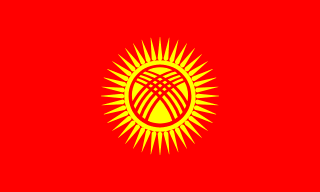
The boz üy, the round felt tent, is a symbol of home and nation, present even on the flag.
Respect for elders
The word of the elders, the aksakal (the "white beards"), carries great weight in decisions.
Horse and mountain
Equestrian culture is central, with traditional games such as kok-boru, a contest on horseback in which players carry a goat carcass to the opposing goal.
Family and clan
Kinship ties and lineage of origin define a person's identity.
- Refusing the food or tea offered Hospitality is taken seriously; refusing comes across as contempt.
- Speaking ill of Islam or pressuring openly It provokes a strong reaction and can put the listener at risk.
- Belittling the yurt, the horse or Manas They are the heart of the people's identity.
- Ignoring ethnic wounds The tension between Kyrgyz and Uzbeks, especially after Osh, is still real.
- Pointing your feet or soles at someone or at the food It is considered disrespectful.
- Photographing people without permission Especially older women in the countryside.
2b · The field
Areas of spiritual battle and cultural captivity to cover in prayer. Tap each point to understand:
The Muslim faith mixes with shamanism, ancestor worship and pre-Islamic practices.
Amulets, blessings at mausoleums and divination seek protection and luck.
Being Kyrgyz is seen as being Muslim; leaving Islam is betraying family and people.
Those who follow Jesus face rejection, isolation and threats.
Rooted in politics and daily life.
Revolutions and power struggles have recurred since independence.
Open wounds between Kyrgyz and Uzbeks in the south.
Labor migration abroad breaks apart many homes.
The abduction of women for forced marriage still persists.
A legacy of the Soviet period, it destroys families.
Mountain communities without any access to the gospel.
Kyrgyzstan is a Sunni Muslim-majority nation, and faith is strongly tied to ethnic identity. The few local Christians, especially those who came out of Islam, face rejection from family and community: there can be house arrest, physical violence and persecution of their children, who are seen as traitors to their people.
In 2025 a new religion law came into force, tightening state control over religious life, with strict registration requirements, a ban on unauthorized activities such as evangelism, and harsher penalties. Attacks on churches have grown, including stonings and raids on worship services, and Protestant groups are even treated as extremists.
In recent years the country has had one of the sharpest rises in the global persecution ranking. Even so, there are signs of hope: the church perseveres, the people’s hospitality opens conversations, and the gospel keeps advancing quietly.
The persecution score runs from 0 to 100: the higher it is, the greater the pressure on Christians.
Nearly the entire population of Kyrgyzstan lives in peoples that are still unreached. Kyrgyz, Uzbeks, Dungan and other Turkic peoples remain predominantly Muslim, and the local church is small and recent. The mountains isolate entire valleys and villages, where the gospel has not yet arrived in the people's language.
- 6.8M Unreached 94,1%
- 0 Minimally reached 0%
- 15K Superficially reached 0,2%
- 391K Partially reached 5,4%
- 19K Significantly reached 0,3%
- 22 Unreached 78,6%
- 1 Minimally reached 3,6%
- 2 Superficially reached 7,1%
- 2 Partially reached 7,1%
- 1 Significantly reached 3,6%
Source of people group data: Joshua Project (joshuaproject.net). Estimates, may vary.
Dargin Frontier
Tártaros da Crimeia
Azeri do norte
Karachay Frontier
Northern Uzbek Frontier
Tuerke Frontier
Lezgin Frontier
Source: Joshua Project. Estimates, may vary.
Pray
Intercede for this nation
Every nation carries a redemptive purpose. Marks that seem woven into the identity God desires to restore:
Go
Practical details for those who want to go
Local time
Cost of living
one of the most affordable in Central Asia
Cost by city
Reference values (source: Numbeo). Confirm before traveling.
Practical points for those who go
- Learn a few words of Russian: it is the language that opens doors in the cities and between ethnic groups.
- Accept the tea and the food: refusing offends; hospitality is taken very seriously.
- Dress modestly, especially in the more conservative south.
- Be careful when talking about faith: the conversation can put the listener at risk.
- Prepare for the altitude and the terrain: mountain roads and extreme weather.
Send and sustain
Not everyone goes, everyone takes part
Not everyone goes. Everyone takes part.
Behind every worker among these peoples stands a network of people who pray without ceasing, care for the family left behind, and faithfully sustain the work. Sending is mission too.
Start with your church: introduce this nation, adopt it in ongoing prayer, and walk alongside those God is raising up to go.