Discover
The identity of the nation
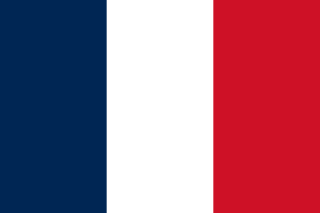
Saint Martin is the French half of a small island in the eastern Caribbean, divided since 1648 between France and the Netherlands. The two sides live side by side without any wall or armed control between them, a rare symbol of peaceful coexistence between neighboring nations. Until 2007 it was part of Guadeloupe; today it is a French collectivity with its own government. Despite covering just over 50 square kilometers, it is home to residents of more than a hundred different nationalities, drawn by tourism and tax free trade.
The Christian faith arrived with French colonization, which made Catholicism the island’s official religion. Today most of the population still identifies as Catholic, but proximity to the English speaking Caribbean has also brought a strong Protestant presence, with Methodist, Pentecostal, Adventist, and Baptist churches spread across Marigot and the surrounding settlements. The result is a highly visible Christianity, present almost everywhere, though not always lived out in depth.
Behind the beaches and duty free shops lies a reality of contrasts. Workers from Haiti, the Dominican Republic, and other Caribbean islands sustain much of the tourism industry, often in informal jobs and far from their own families. Hurricane Irma, in 2017, destroyed most of the buildings on the French side and left marks still felt today in the economy and in people’s lives.
As part of France, Saint Martin enjoys full religious freedom and faces no persecution. The church’s greatest challenge is not resistance from outside but nominal faith, the secularism that comes from the mainland, and the difficulty of reaching entire immigrant communities living on the margins, often undocumented and without ties to any church.
An island of passage for tourists and workers of so many nationalities, Saint Martin carries the potential to be a bridge: those who live there, or merely pass through, can carry with them a gospel lived out in simple gestures of welcome, generosity, and care for the stranger.
- Arawak and Carib indigenous peoples inhabited the island before the arrival of Europeans.
- 1493 Christopher Columbus sights the island and names it after Saint Martin of Tours.
- 1631 Dutch settlers arrive to exploit the salt pans in the south of the island.
- 1648 The Treaty of Concordia divides the island between France, in the north, and the Netherlands, in the south.
- 1763 The Treaty of Paris confirms French sovereignty over the northern part of the island.
- 1848 France abolishes slavery in its colonies, including Saint Martin.
- 1939 The French side is declared a tax free port, attracting trade and tourism.
- 2007 Saint Martin ceases to be a commune of Guadeloupe and becomes its own French collectivity.
- 2017 Hurricane Irma devastates the island, destroying most of the buildings on the French side.
- Today A tourist and multicultural territory, majority Christian, still rebuilding after the hurricanes.
-
Frenchofficial language, used in administration and education
-
Englishspoken daily by much of the population, a legacy of the Caribbean neighborhood
-
Haitian Creolespoken by the large community of immigrants from Haiti
-
Spanishspoken by immigrants from the Dominican Republic and other Latin American countries
-
Papiamentospoken by some residents of Dutch Antillean descent
Saint Martin occupies the northern half, about 60% of the territory, of a small island in the eastern Caribbean shared with the Dutch side of Sint Maarten. The terrain consists of gentle hills, with Pic Paradis, at 424 meters, as the highest point, surrounded by lagoons, beaches, and the dry vegetation typical of the region.
Major cities
- MarigotCapital and largest city, seat of government, the port, and the local market
- Grand-CaseSeaside village known for its waterfront restaurants
- Quartier d'OrléansOne of the oldest settlements on the island, known as the French Quarter
- Sandy GroundA strip of land between the sea and the Simpson Bay Lagoon, near Marigot
- ColombierA quiet farming valley in the island's interior, far from tourism
Climate and temperature
Johnny cake
Fried corn bread, served as a side to fish or salted meat.
Callaloo
Creamy soup of green leaves with okra and coconut milk, an African and Caribbean heritage.
Bacalhau salgado
Shredded salted fish sautéed with onion and bell pepper, an everyday family dish.
Acarajés de bacalhau
Fried fritters of seasoned salted cod, a tradition of the French Antilles.
Guavaberry
Sweet liqueur made from a wild fruit native to the island, a traditional local Christmas drink.
Lagosta grelhada
Abundant seafood in the island's waters, served grilled with butter and lemon.
Understand
Culture and spirituality
2a · The culture
Coexistence without walls
The two sides of the island, one French and one Dutch, coexist without any wall or armed control between them.
A mosaic of peoples
More than a hundred nationalities live side by side, drawn by tourism and tax free trade.
Dual heritage
The culture blends French, English speaking Caribbean, and African influences, visible in the food, music, and way of speaking.
A life turned toward the sea
Fishing, tourism, and the port set the daily rhythm of the population.
Faith visible in daily life
Catholic and Protestant churches of different traditions are part of the landscape in almost every settlement.
- Assuming everyone speaks French fluently English is the everyday language for much of the population, a legacy of the Caribbean neighborhood.
- Confusing the French side with the Dutch side of the island They are territories of different countries, with distinct governments, currencies, and laws, despite sharing the same island.
- Ignoring the risks of hurricane season Between August and October the risk of storms is real, as Hurricane Irma showed in 2017.
- Treating immigrant workers with contempt Many live far from their families and sustain much of the tourism economy; they deserve dignity and respect.
- Reducing the island to a shopping and beach destination Behind the tourism lies a community with history, faith, and real challenges.
2b · The field
Areas of spiritual battle and cultural captivity to cover in prayer. Tap each point to understand:
Money from tourism and tax free trade becomes the center of life for many residents.
Most identify as Catholic, but genuine practice and deep discipleship are rare in daily life.
Beliefs in curses and folk healers, an Afro-Caribbean legacy, still influence people's decisions and fears.
The French model of strict separation between faith and public life reduces the space for religion outside the church.
Workers from Haiti and the Dominican Republic often live undocumented, isolated, and without spiritual support.
Many families live divided between the island and their home country, in search of work.
The destruction left by storms like Irma still weighs emotionally and spiritually on the population.
The great mix of peoples also generates rivalry and prejudice between different groups.
Bars, casinos, and intense tourist life open space for alcohol and other addictions.
Alongside luxury tourism, there are residents living in poverty, often invisible to visitors.
As part of France, Saint Martin enjoys full religious freedom guaranteed by law, and Christians face no persecution of any kind. The Catholic faith and the various Protestant churches coexist openly, with places of worship present in practically every settlement.
The greatest spiritual challenge is not repression but superficiality: many call themselves Christians out of family tradition, without a personal faith lived out day to day. Immigrant workers, often undocumented and far from their home communities, remain on the margins of both religious life and social support, an open field for the church’s practical care.
The persecution score runs from 0 to 100: the higher it is, the greater the pressure on Christians.
Pray
Intercede for this nation
Every nation carries a redemptive purpose. Marks that seem woven into the identity God desires to restore:
Go
Practical details for those who want to go
Local time
Cost of living
a tourist island that imports almost everything from Europe and the United States, with prices in euros
Cost by city
Reference values (source: Numbeo). Confirm before traveling.
Practical points for those who go
- Speak English: in everyday life it tends to be more useful than formal French in many situations.
- Bring euros: it is the official currency, though the US dollar is accepted in many places.
- Watch out for hurricane season, from June to November, with higher risk between August and October.
- Respect immigrant workers: many come from Haiti and the Dominican Republic and sustain much of the local economy.
- Public transportation is limited; renting a car or using a taxi makes getting around easier.
- Seek out local churches: they know the immigrant communities and their real needs better.
Send and sustain
Not everyone goes, everyone takes part
Not everyone goes. Everyone takes part.
Behind every worker among these peoples stands a network of people who pray without ceasing, care for the family left behind, and faithfully sustain the work. Sending is mission too.
Start with your church: introduce this nation, adopt it in ongoing prayer, and walk alongside those God is raising up to go.