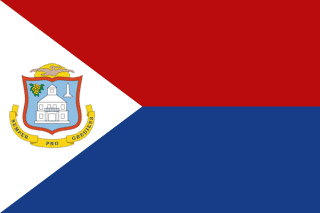
Discover
The identity of the nation
Sint Maarten is the Dutch half of a small island in the eastern Caribbean that has been divided, since the Treaty of Concordia in 1648, between the Netherlands and France. At just 34 sq km, about 44% of the whole island, it is one of the most densely populated territories in the region: people born in more than a hundred different countries live side by side, drawn by work in tourism, which sustains nearly the entire local economy. Philipsburg, the capital, receives cruise ships almost every day, and much of the island’s life revolves around hotels, restaurants and businesses catering to visitors.
The vast majority of the population identifies as Christian, a legacy of European colonization and the long-standing presence of churches on the island. But this Christianity is, in large part, inherited from family and culture rather than the result of a personal decision of faith. The routine centered on tourism, nightlife and consumption competes for people’s spiritual attention, and it is common to find people who call themselves Christian without ever having read the Bible or belonged to a living community of faith.
The large number of foreign workers, many from Haiti, the Dominican Republic, Jamaica and other Caribbean islands, makes Sint Maarten a true crossroads of peoples within a small territory. Many of these workers live far from their families, in unstable circumstances, and without any connection to a church that welcomes and teaches them. It is a rare opportunity to reach diverse nations without leaving a single island.
In 2017, Hurricane Irma struck the island with category 5 force, destroying or damaging most of the homes. Reconstruction still has not fully finished, and fear of new storms remains present in families’ lives. The tragedy also revealed the fragility of an economy dependent on tourism alone and opened space for the church to show, in practice, the care and hope of the gospel during the rebuilding.
Sint Maarten needs mature Christians who can help deepen a faith that today is, for many, more tradition than personal conviction. It also needs communities that welcome the large number of foreigners living and working there, uniting, in a single church, people of dozens of different nationalities.
- 1493 Navigator Christopher Columbus sights the island and names it after the saint of the day, Saint Martin
- 1631 Dutch settlers establish themselves on the island, drawn by the salt pans used to preserve food
- 1633 Spain takes the island from the Dutch to protect its shipping routes in the Caribbean
- 1648 Spain abandons the island; the French and Dutch sign the Treaty of Concordia, dividing the territory into two sides
- 17th-19th centuries Sugar, cotton and tobacco plantations sustained by the forced labor of enslaved Africans
- 1848 The French side of the island abolishes slavery; many enslaved people on the Dutch side gain freedom before the law
- 1863 The Netherlands officially abolishes slavery in its colonies, including the Dutch side of the island
- 1954 Sint Maarten becomes part of the Netherlands Antilles, an autonomous territory within the Kingdom of the Netherlands
- 2010 The Netherlands Antilles is dissolved; Sint Maarten becomes an autonomous country within the Kingdom of the Netherlands
- 2017 Category 5 Hurricane Irma destroys or damages most of the island's homes
- Today The island continues rebuilding its infrastructure and remains among the most sought-after tourist destinations in the Caribbean
-
DutchOfficial language, used in government and formal education, but rarely spoken day to day
-
EnglishMother tongue of most natives, used in commerce and daily life
-
Virgin Islands CreoleInformal dialect spoken at home by part of the local population
-
PapiamentoSpoken by immigrants from Curaçao and Aruba; blends Portuguese, Spanish, Dutch and African languages
-
Haitian CreoleSpoken by the large community of workers from Haiti
-
SpanishSpoken by immigrants from the Dominican Republic and other Latin American countries
Sint Maarten occupies the southern part of a small island in the eastern Caribbean that it shares with the French territory of Saint-Martin since 1648. At just 34 sq km, about 44% of the entire island, it is one of the most densely populated territories in the Caribbean. The landscape features low hills, saltwater lagoons and white sand beaches, with the Simpson Bay Lagoon, one of the largest lagoons in the Caribbean, standing out.
Major cities
- PhilipsburgCapital, with the cruise port and the island's main commercial center
- Simpson BayBusy tourist neighborhood with marinas, bars and nightlife, near the airport
- Cole BayCommercial neighborhood between Philipsburg and Simpson Bay
- Cul de SacOne of the most populous residential neighborhoods in the island's interior
- Dutch QuarterHistoric neighborhood near the capital, with roots in the old sugar plantations
Climate and temperature
Conch
Caribbean sea mollusk, prepared stewed or fried in fritters; a symbol of local cuisine
Johnny cake
Fried or baked cornmeal bread, served as a side with meat and fish
Saltfish with dumplings
Shredded salted fish with onion and bell pepper, served with boiled dough dumplings
Callaloo
Thick soup made with leafy greens, okra and seasonings, a legacy of African and Caribbean cooking
Guavaberry
Sweet liqueur made from the guavaberry fruit (a wild fruit similar to a small cherry) mixed with rum, traditional at Christmas and New Year
Sugar cake
Chewy candy made of grated coconut and sugar, sold at street stalls and beaches
Tamarind ball
Tamarind (a tart, sweet fruit) candy rolled in sugar, a traditional island treat
Understand
Culture and spirituality
2a · The culture
A divided island without a closed border
Sint Maarten and the French side of the island, Saint-Martin, form the smallest territory in the world peacefully divided between two countries, with no walls or armed checkpoints
A mix of more than a hundred nationalities
The population includes residents born in dozens of countries in the Caribbean, Latin America and Europe, drawn by work in tourism
Carnival
One of the longest carnivals in the Caribbean, with weeks of parades, music and colorful costumes between April and May
African heritage in traditions
The culture bears the marks of the enslaved Africans who worked on the plantations, visible in local music, dance and cuisine
Guavaberry at Christmas and New Year
The drink made from the guavaberry fruit is shared among neighbors and celebrated with door-to-door caroling during the year-end holidays
Airport right by the beach
The international airport's runway ends right next to Maho Beach, one of the most photographed spots in the Caribbean
- Comparing the two sides of the island Praising one side and criticizing the other can sound disrespectful, since many residents move between the two parts and see themselves as one community
- Treating local residents as merely service providers Much of the economy depends on tourism, but residents deserve the same respect given to visitors
- Ignoring the differences between nationalities Haitians, Dominicans, Jamaicans and other Caribbean peoples live together on the island, but each group has its own culture, accent and customs
- Commenting on hurricanes without sensitivity Many families still carry deep scars from Hurricane Irma in 2017; the topic calls for care and listening
- Assuming everyone speaks Dutch day to day Dutch is the official language of government and education, but English is the language most used on the streets and in commerce
- Joking about witchcraft or old spiritist beliefs For some families this is a serious and delicate matter, tied to old traditions, not a subject for humor
2b · The field
Areas of spiritual battle and cultural captivity to cover in prayer. Tap each point to understand:
The economy revolves around visitors' consumption and leisure, which can reduce faith to a mere cultural veneer
The prosperity of commerce and tourism fuels the pursuit of possessions and status as a source of personal worth
Many call themselves Christian out of family tradition, without a personal, transforming faith
Bars, nightclubs and gambling houses are part of the entertainment economy geared toward tourists and shape local habits
Witchcraft practices of African and Caribbean origin, known as obeah, still secretly influence some families
The great diversity of origins can generate prejudice and a lack of unity among residents and churches
Fear of new storms, after Hurricane Irma in 2017, has left deep marks of insecurity
An economy based almost entirely on tourism can replace trust in God with trust in prosperity
The fast pace of work in the hotel industry makes community life and church participation difficult
Many foreign workers live without regularized documentation and without any spiritual support network
In Sint Maarten there is no religious persecution. Freedom of worship is respected and protected by law, and churches of different Christian traditions coexist alongside temples of other religions brought by immigrants.
The greatest challenge to Christian faith on the island does not come from outside but from within: the strong pull of consumerism, tourism and nightlife competes for people’s attention, and for many, faith has become more an inherited tradition than a personal conviction. Foreign workers, who make up a large share of the population, often live isolated from any community of faith, without spiritual support amid the hardships of living far from home.
The persecution score runs from 0 to 100: the higher it is, the greater the pressure on Christians.
Sint Maarten brings together 8 catalogued people groups, almost all made up of immigrants from other Caribbean islands, Latin America and Europe. No people group on the island is considered unreached today: most already have some evangelical Christian presence, though it is often small and far from a mature, discipling church. The largest group is made up of people of Antiguan origin, followed by English-speaking Antilleans and Papiamento speakers from Curaçao and Aruba.
- 0 Unreached 0%
- 0 Minimally reached 0%
- 1K Superficially reached 1,7%
- 26K Partially reached 62,8%
- 15K Significantly reached 35,5%
- 0 Unreached 0%
- 0 Minimally reached 0%
- 1 Superficially reached 12,5%
- 6 Partially reached 75%
- 1 Significantly reached 12,5%
Source of people group data: Joshua Project (joshuaproject.net). Estimates, may vary.
Pray
Intercede for this nation
Every nation carries a redemptive purpose. Marks that seem woven into the identity God desires to restore:
Go
Practical details for those who want to go
Local time
Cost of living
Prices driven up by tourism, higher than the Caribbean average
Cost by city
Reference values (source: Numbeo). Confirm before traveling.
Practical points for those who go
- The official currency is the Netherlands Antillean guilder (NAf), but the US dollar is accepted almost everywhere
- Prices at restaurants and tourist markets are higher than in most of the Caribbean
- Most food and goods are imported, which raises the cost of living
- Infrastructure still bears the marks of Hurricane Irma (2017) and can suffer power instability during storms
- Hurricane season runs from June to November, peaking between August and October
Send and sustain
Not everyone goes, everyone takes part
Not everyone goes. Everyone takes part.
Behind every worker among these peoples stands a network of people who pray without ceasing, care for the family left behind, and faithfully sustain the work. Sending is mission too.
Start with your church: introduce this nation, adopt it in ongoing prayer, and walk alongside those God is raising up to go.