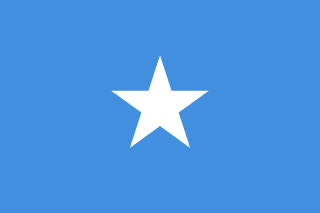
Conheça
A identidade da nação
Somalia occupies the Horn of Africa, a peninsula pointing toward the Arabian Peninsula, and is home to one of the most homogeneous peoples on the continent: almost the entire population speaks Somali and identifies as Somali, organized into clans (large groups of families with a common ancestor) that shape identity, loyalty, and even the country’s politics. Historically a people of nomadic herders and maritime traders, Somalis carry a culture rich in oral poetry, hospitality, and resilience, even after decades marked by war and instability.
Islam reached the Somali coast in the first centuries after Muhammad, through trade with Arabia, and became so central to national identity that, for most Somalis, being Somali is being Muslim. This fusion of faith, clan, and nation makes any conversion to Christianity far more than a religious choice: it is seen as betrayal of one’s own people. After independence in 1960, the country experienced a military coup, a war with Ethiopia, and, from 1991 onward, the collapse of the central government, which plunged Somalia into a civil war from which the country has still not fully recovered.
Today Somalia has an internationally recognized federal government, but it still faces violence from an Islamic insurgent group that controls part of the rural territory and attacks cities, markets, and security forces. In this setting, the Christian church is virtually invisible: the few Somalis who believe in Jesus live in hiding, without church buildings, without a visible community, and under real risk of death if discovered, often by their own family.
For missions, Somalia is one of the least evangelized countries in the world: nearly the entire population belongs to groups considered unreached by the Joshua Project, with very little access to Bibles, churches, or Christian witness. At the same time, millions of Somalis today live in the diaspora, in countries across Africa, Europe, North America, and the Middle East, opening paths of friendship and witness beyond the country’s own borders.
Praying for Somalia means interceding for a people who carry deep dignity and accumulated suffering: decades of war, recurring famine, and now the extremist threat. It means asking that, amid so much pain, the number of those who seek God would grow, and that safe and wise ways would arise for the gospel to reach Somali hearts, inside and outside the country.
- 7th-9th c. Islam reaches the Somali coast through trade with Arabia and becomes the people's predominant faith.
- 9th-15th c. Somali sultanates and port cities flourish through maritime trade in the Indian Ocean.
- 1888-1960 The territory is divided among British, Italian, and French colonial empires.
- 1960 British Somaliland and Italian Somaliland unite, and the country gains independence.
- 1969 A military coup installs a one-party regime that lasts two decades.
- 1991 The collapse of the central government plunges the country into a prolonged civil war, with famine and mass displacement.
- 2012 A new provisional Constitution creates the current Federal Republic of Somalia.
- Today The federal government rebuilds the country's institutions while facing an insurgency by an Islamic extremist group.
-
Somaliofficial language, spoken by nearly the entire population, belongs to the Cushitic branch of the Afro-Asiatic languages
-
Arabicsecond official language, used in religion, Islamic education, and regional trade
-
Italian and Englishstill spoken by part of the older generation and in business contexts, a legacy of the colonial period
Somalia lies in the Horn of Africa, the continent's eastern tip that juts toward the Arabian Peninsula, with the longest coastline in continental Africa, bordered by the Gulf of Aden to the north and the Indian Ocean to the east. The terrain combines arid plains in the center and south with higher mountains in the north, and much of the territory has a dry climate, which has historically pushed many Somalis toward a pastoral life, moving herds in search of water and pasture.
Principais cidades
- Mogadishucapital and largest city, the country's main port and political center
- Hargeisalargest city in the north, an important commercial hub in the region
- Kismayostrategic port in the south, in the Jubaland region
- Bosasomain port in the northeast, in the Puntland region
- Baidoaagricultural and transport hub in the southwest, marked by famine crises
Clima e temperatura
Sambusa
Fried triangular pastry filled with minced meat and seasoned with chili, widely eaten at night during the Islamic month of fasting.
Canjeero
A kind of pancake fermented overnight, served at breakfast with tea or honey.
Muufo
Corn bread baked in a clay oven, cut into pieces and eaten with sesame oil and sugar.
Bariis
Fried rice with onion and meat, seasoned with xawaash, a Somali blend of cumin, coriander, turmeric, and other spices.
Shaah
Sweetened black tea, spiced with cardamom and cinnamon, served at almost every meal and visit.
Entenda
Cultura e espiritualidade
2a · A cultura
Oral and poetic culture
Poetry is one of the most valued forms of expression among the Somali people, used to tell stories, resolve conflicts, and pass on wisdom.
Clan structure
Society is organized into clans and sub-clans (large groups of families with a common ancestor), which shape identity, loyalty, and even disputes.
Hospitality
Welcoming guests and sharing tea are important signs of honor and respect in Somali culture.
Nomadic heritage
A large part of the population descends from herders who moved with their livestock, which still shapes values of resilience and community.
- Using the left hand to eat or hand something over it is considered improper in traditional settings
- Speaking ill of a clan or group rivalries between clans are sensitive and can lead to real conflict
- Reducing the country to just war and famine this ignores the dignity of a people with rich culture, poetry, and history
- Photographing people without asking permission it is seen as intrusive, especially in more conservative areas
- Speaking openly about the Christian faith in public it can put both the visitor and any Somali who shows interest at risk
2b · O campo
Áreas de batalha espiritual e cativeiro cultural a serem cobertas em oração. Toque em cada ponto para entender:
Being Somali is nearly synonymous with being Muslim, which makes conversion a matter of honor and clan, not just faith.
Old rivalries between clans fuel distrust, violence, and disputes over power and land.
An armed Islamic group imposes its own law in parts of the territory and attacks civilians and institutions.
Social pressure leads neighbors and even relatives to report anyone who turns away from Islam.
The fragility of the state fosters misuse of resources and hampers the country's reconstruction.
Popular beliefs in amulets and protective practices coexist with official Islamic faith.
Decades of conflict have left deep scars of loss, displacement, and distrust in families.
Traditional customs limit women's access to education, public voice, and legal protection.
There is almost no public access to churches, Bibles, or any visible Christian witness.
Repeated climate crises further weaken families already living on the edge.
Somalia is among the most dangerous places in the world for followers of Jesus. The country’s provisional Constitution bans conversion from Islam to another faith, Islamic law (sharia) is applied throughout all regions, and social and family pressure forces Christians to live out their faith in complete secrecy and isolation.
For most Somalis, leaving Islam is seen as a betrayal not only of religion but of one’s own clan and nation. Anyone who converts faces real risk of being cast out by their family, losing all social protection within a clan-based system, suffering violence, and, in extreme cases, being killed, often by close relatives. In areas controlled by extremist groups, the threat is even more direct and immediate.
For this reason, there are no open churches or visible Christian communities in the country: the few Somalis who believe in Jesus live out their faith in isolation, often without contact with other believers, sustained only by prayer and rare safe contacts. Even so, there are reports of Somalis who, even under constant threat, continue to seek God.
O score de perseguição vai de 0 a 100: quanto maior, maior a pressão sobre os cristãos.
Somalia is one of the least evangelized countries in the world: of the 22 people groups recorded in the country, 20 are considered unreached, accounting for nearly the entire population. The Somali people themselves, by far the largest group, have fewer than 0.1% Christians. Only a handful of smaller groups show any superficial level of access to the gospel, placing the country among the world's greatest priorities for prayer and missionary outreach.
- 19,4 mi Não alcançado 99,7%
- 0 Pouco alcançado 0%
- 61 mil Superficialmente alcançado 0,3%
- 0 Parcialmente alcançado 0%
- 0 Significativamente alcançado 0%
- 20 Não alcançado 90,9%
- 0 Pouco alcançado 0%
- 2 Superficialmente alcançado 9,1%
- 0 Parcialmente alcançado 0%
- 0 Significativamente alcançado 0%
Fonte dos dados de povos: Joshua Project (joshuaproject.net). Estimativas, podem variar.
Dabarre Fronteira
Zigula
Swahili bajuni
Somaliano Fronteira
Aweer
Tunni Fronteira
Oromo, Garre Fronteira
Fonte: Joshua Project. Estimativas, podem variar.
Ore
Interceda por esta nação
Cada nação carrega um propósito redentor. Marcas que parecem fazer parte da identidade que Deus deseja restaurar:
Vá
Logística para quem deseja ir
Horário local
Custo de vida
a simple life costs between US$450 and 750 per month
Custo nas cidades
Valores de referência (base: Numbeo). Confirme antes de viajar.
Pontos práticos para quem vai
- Safety first: traveling around the country requires close accompaniment and extra caution, especially outside the more controlled urban areas.
- Dress modestly: clothing that covers arms and legs is expected, for both men and women.
- Use the right hand: for eating, handing over objects, and greeting, since the left hand is avoided in traditional settings.
- Learn a few words in Somali: even simple courtesy phrases open doors and show respect.
- Respect prayer times: the rhythm of the day follows Islam's five daily prayers.
- Avoid talking about the Christian faith in public: any conversation on the subject requires extreme care and discretion, to protect everyone involved.
Envie e sustente
Nem todos vão, todos participam
Nem todos vão. Todos participam.
Por trás de cada obreiro entre estes povos existe uma rede de gente que ora sem parar, cuida da família que ficou e sustenta o trabalho com fidelidade. Enviar também é missão.
Comece pela sua igreja: apresente esta nação, adote-a em oração contínua e caminhe junto de quem Deus está levantando para ir.